

How do hard drives work? – Kanawat Senanan
The modern hard drive is an object that can likely hold more information than your local library. But how does it store so much information in such a small space? Kanawat Senanan details the generations of engineers, material scientists, and quantum physicists who influenced the creation of this incredibly powerful and precise tool. Lesson by […]

How computer memory works – Kanawat Senanan
In many ways, our memories make us who we are, helping us remember our past, learn and retain skills, and plan for the future. And for the computers that often act as extensions of ourselves, memory plays much the same role. Kanawat Senanan explains how computer memory works. Lesson by Kanawat Senanan, animation by TED-Ed.

Inside your computer – Bettina Bair
¿Cómo funciona una computadora u ordenador? Sus componentes críticos son los periféricos (entre los que está el ratón), el subsistema de entrada/salida (que controla qué y cuánta información entra y sale), y la unidad central de procesamiento (el cerebro), así como los programas escritos por los humanos y la memoria. Bettina Bair nos lleva a […]

Biodiesel: The afterlife of oil – Natascia Radice
¿Cómo puedes desechar el aceite de cocina después de que terminas de cocinar? Lo más fácil podría ser tirarlo por el drenaje, pero si lo guardas y lo mandas a una planta procesadora, puede tener una vida útil posterior como biodiesel, una fuente de energía biodegradable que puede alimentar potenciales motores diésel en vez de […]

Falcon Heavy Animation
When Falcon Heavy lifts off, it will be the most powerful operational rocket in the world by a factor of two. With the ability to lift into orbit nearly 64 metric tons (141,000 lb)—a mass greater than a 737 jetliner loaded with passengers, crew, luggage and fuel–Falcon Heavy can lift more than twice the payload […]

Could we create dark matter? – Rolf Landua
Eighty-five percent of the matter in our universe is dark matter. We don’t know what dark matter is made of, and we’ve yet to directly observe it, but scientists theorize that we may actually be able to create it in the Large Hadron Collider, the most powerful particle collider in the world. So how would […]

The One-Electron Universe | Space Time
In the spring of 1940, the great physicist John Archibald Wheeler had a flash of insight. He picked up the phone and called Richard Feynman. The fateful conversation began, “Feynman, I know why all electrons have the same charge and the same mass.» «Why?» asked Wheeler’s former graduate student. «Because, they are all the same […]

Can you solve the dark coin riddle? – Lisa Winer
You heard the travelers’ tales, you followed the maps, and now, you’ve finally located the dungeon containing a stash of ancient coins. The good news: the wizard who owns the castle has generously agreed to let you have the coins. The bad news: he’s not quite as generous about letting you leave the dungeon … […]
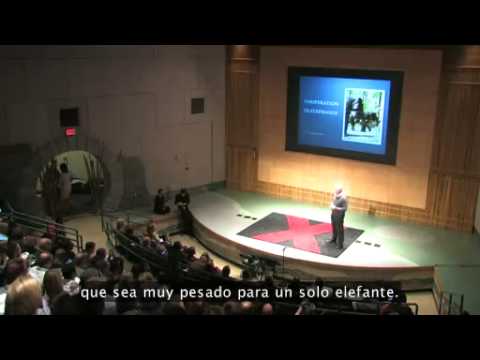
Frans de Waal: Comportamiento moral en los animales
Empatía, cooperación, equidad y reciprocidad, cuidar el bienestar de otros, parece un rasgo muy humano. Pero Frans de Waal comparte algunos sorprendentes videos de pruebas de comportamiento en primates y otros mamíferos, que muestran cómo muchas de estas actitudes morales las compartimos todos.
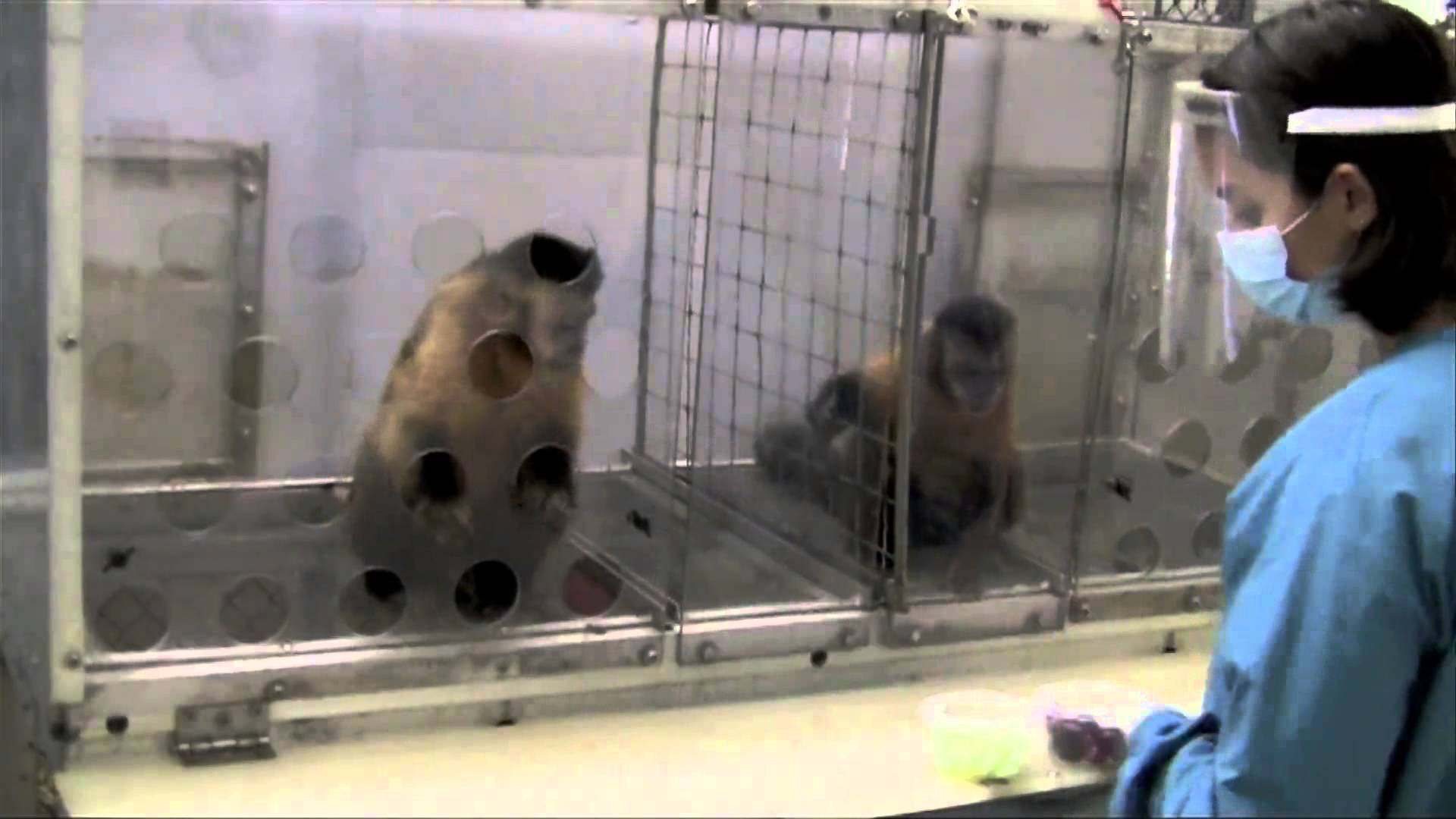
Two Monkeys Were Paid Unequally: Excerpt from Frans de Waal’s TED Talk
What happens when you pay two monkeys unequally? Watch what happens. An excerpt from the TED Talk: «Frans de Waal: Moral behavior in animals.» Watch the whole talk here: http://www.ted.com/talks/frans_de_waa…
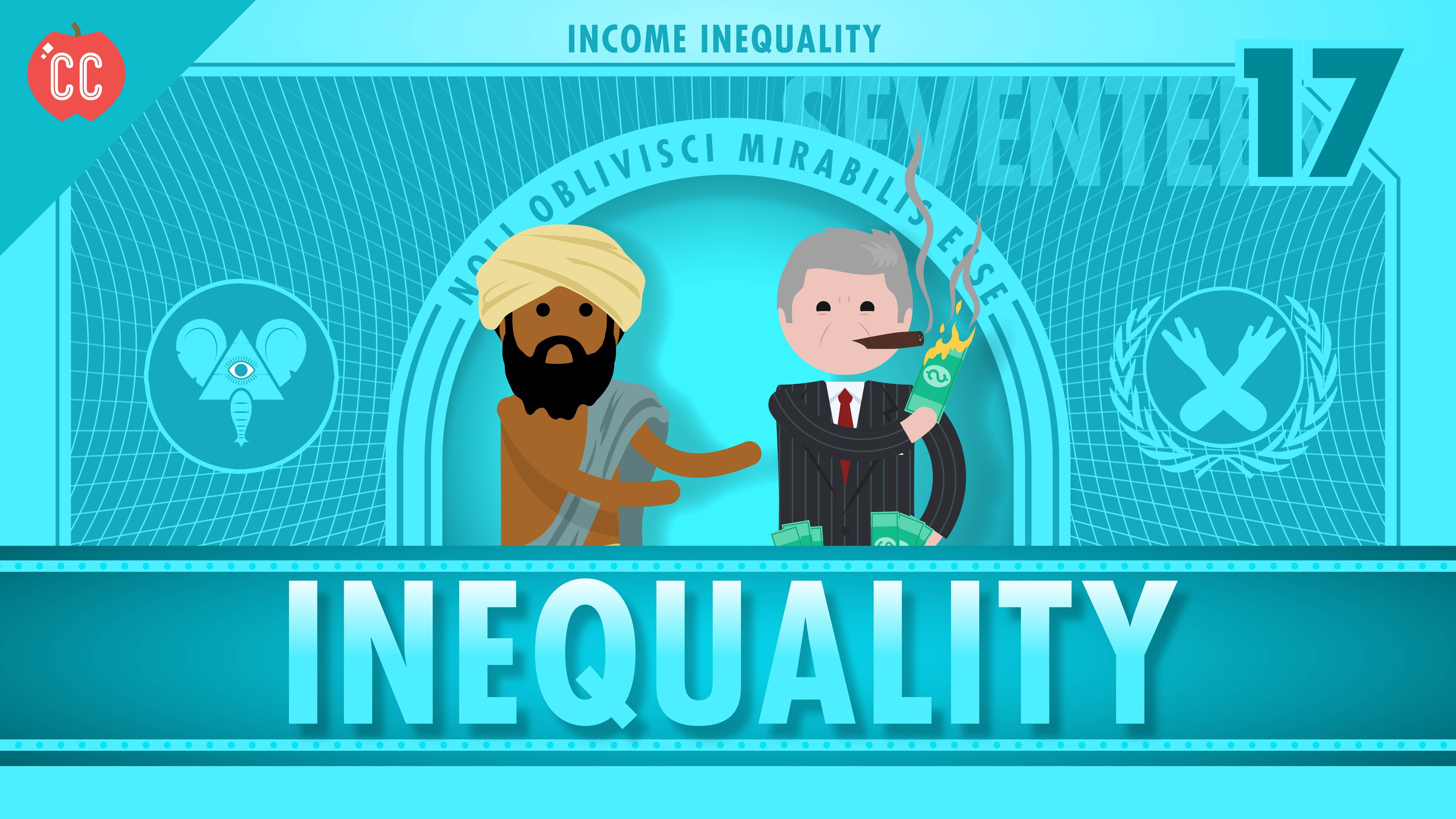
Income and Wealth Inequality: Crash Course Economics #17
Inequality is a big, big subject. There’s racial inequality, gender inequality, and lots and lots of other kinds of inequality. This is Econ, so we’re going to talk about wealth inequality and income inequality. There’s no question that economic inequality is real. But there is disagreement as to whether income inequality is a problem, and […]
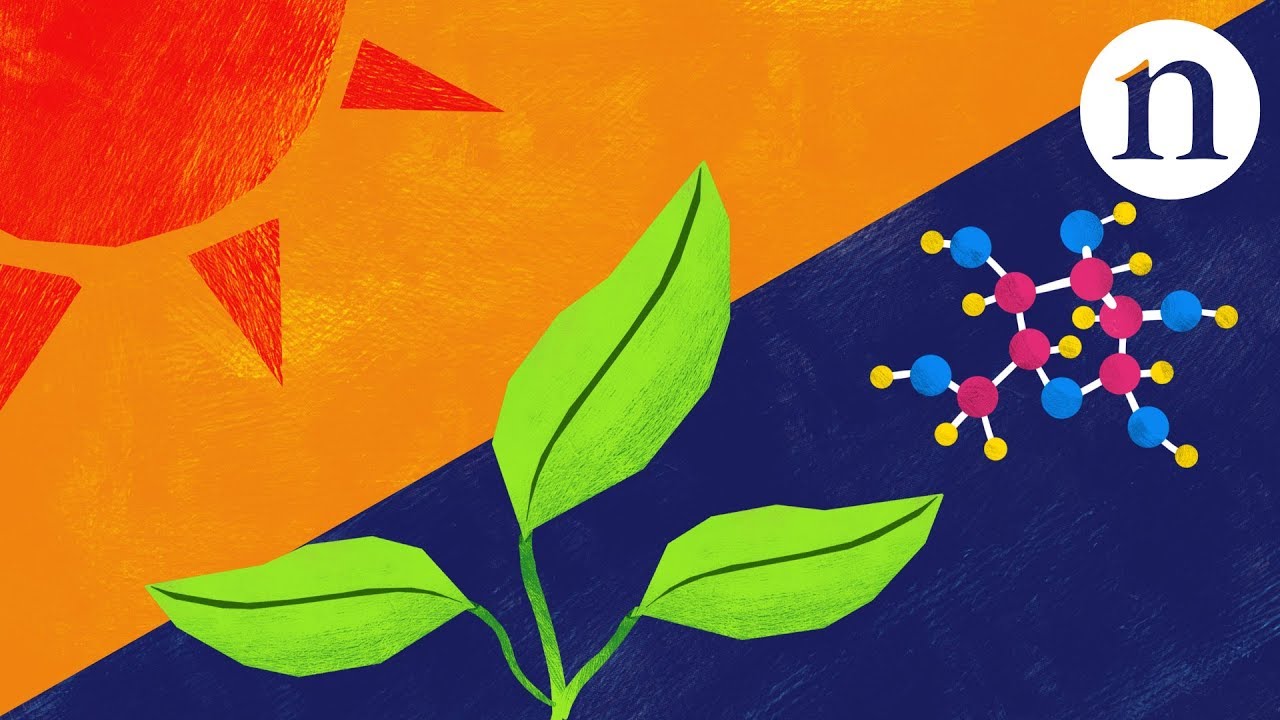
Learning from leaves: Going green with artificial photosynthesis
To turn troublesome carbon dioxide into useful chemicals, scientists have been taking a leaf out of plants’ book. They’ve now developed a complete ‘artificial photosynthesis’ system that could work on large scales, and fight climate change. Read the paper: http://www.nature.com/doifinder/10.10…

The Science of Aging
Why do we age, from a biological perspective? Written and created by Mitchell Moffit (twitter @mitchellmoffit) and Gregory Brown (twitter @whalewatchmeplz).
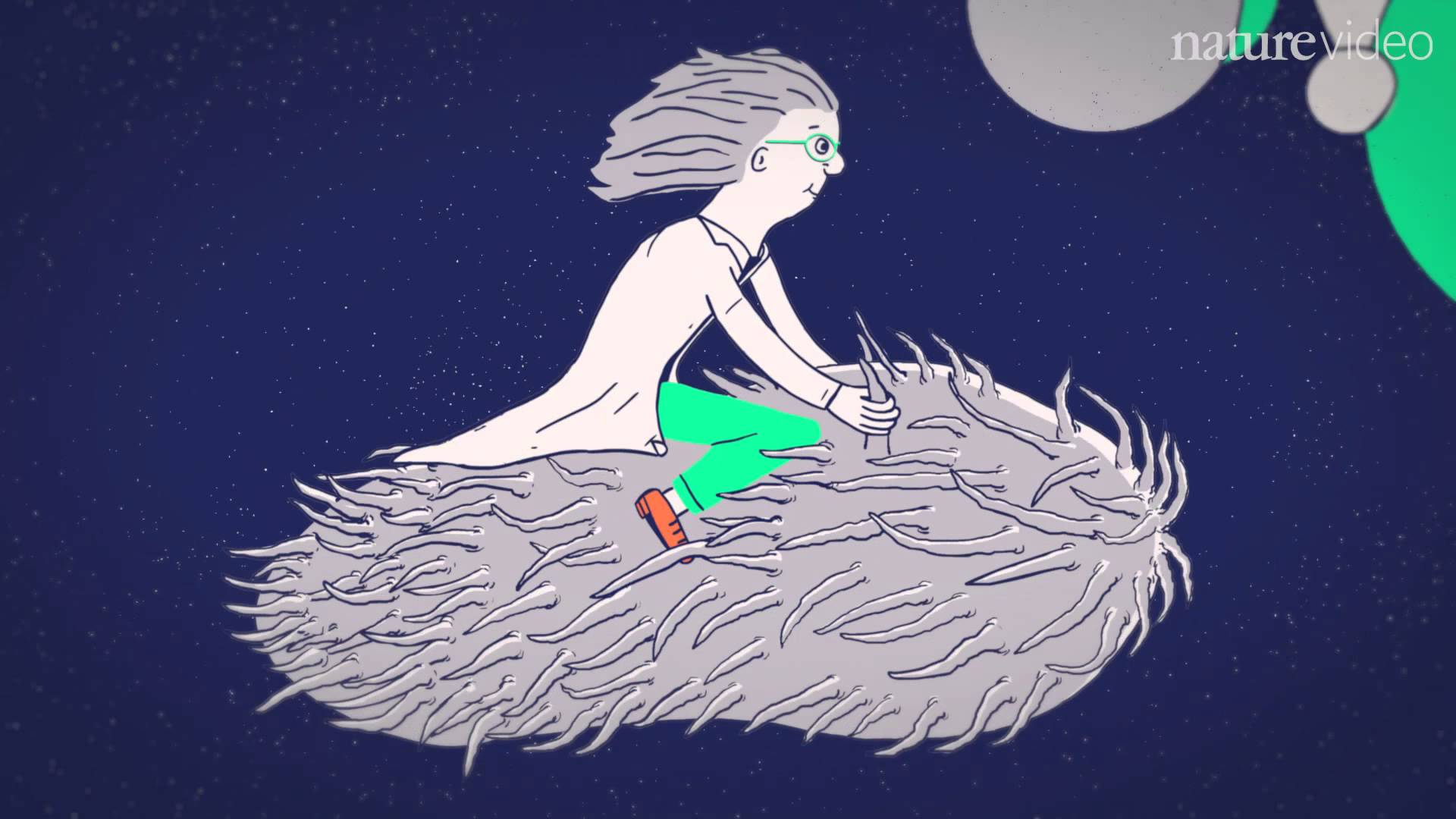
All creatures great and small: Elizabeth Blackburn
From jellyfish to ants, all life is beautiful in the eyes of Elizabeth Blackburn, co-winner of the 2009 Nobel Prize in physiology or medicine. She talks about her fascination with living things and the discovery of telomerase and telomeres.