
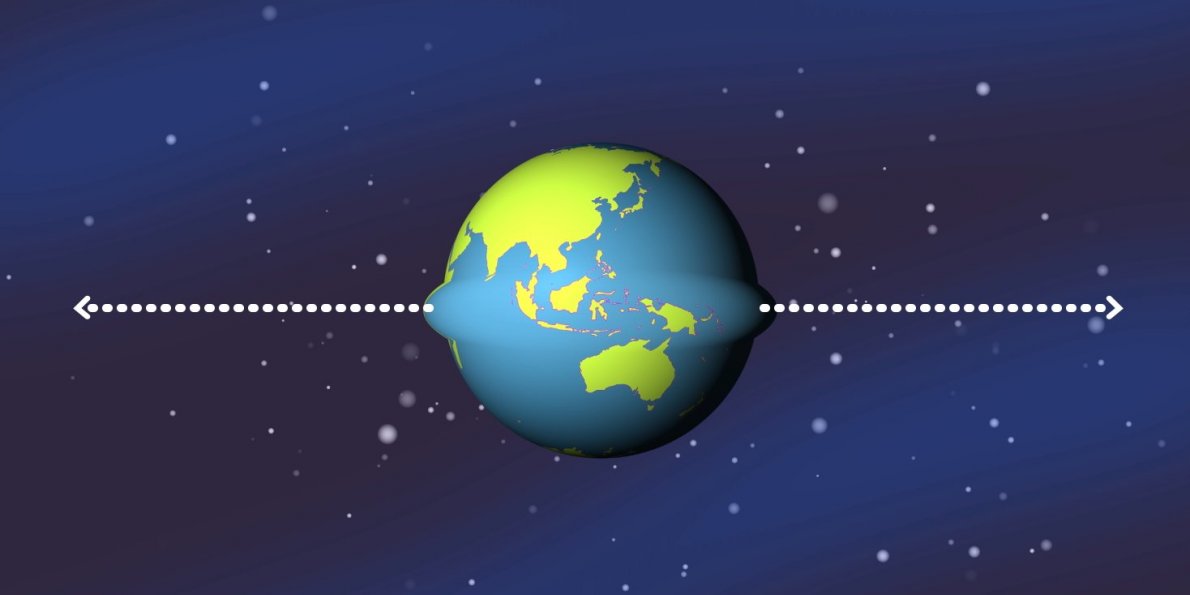
If the Earth stopped spinning
The Earth spins at more than 1000 mph. If it were to suddenly stop, the effects would be disastrous. Produced by Kevin Reilly. Animation by Rob Ludacer
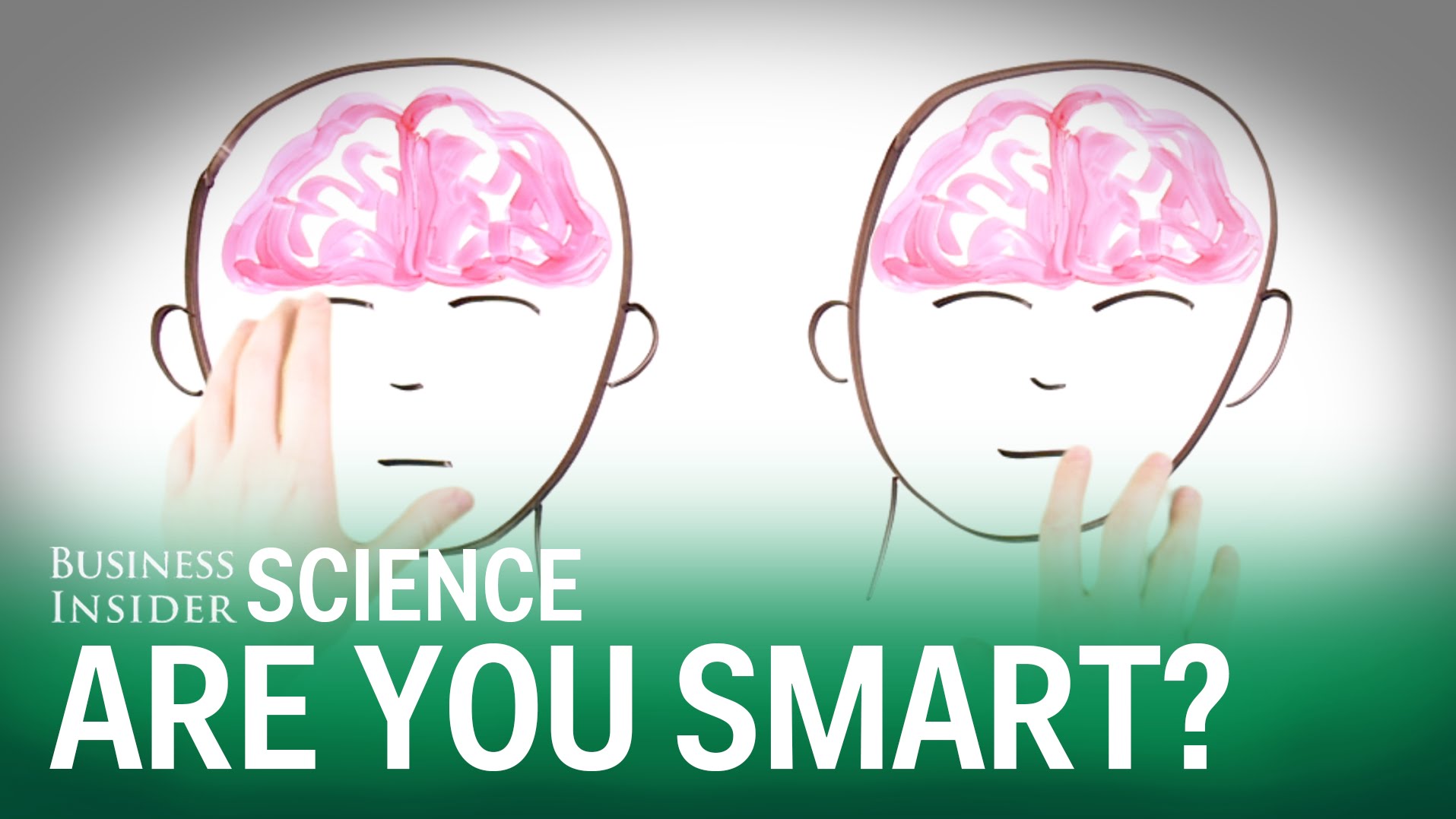
How to know if you’re smart
While it may be tough to objectively measure how smart someone is, researchers have pinpointed some pretty interesting traits that appear to indicate intelligence.

Bill Nye on the biggest issues in science education
Bill Nye on Science Education
9 crazy facts about the brain
Your brain isn’t just a bunch of grey matter. It’s a powerful, processing machine of an organ.
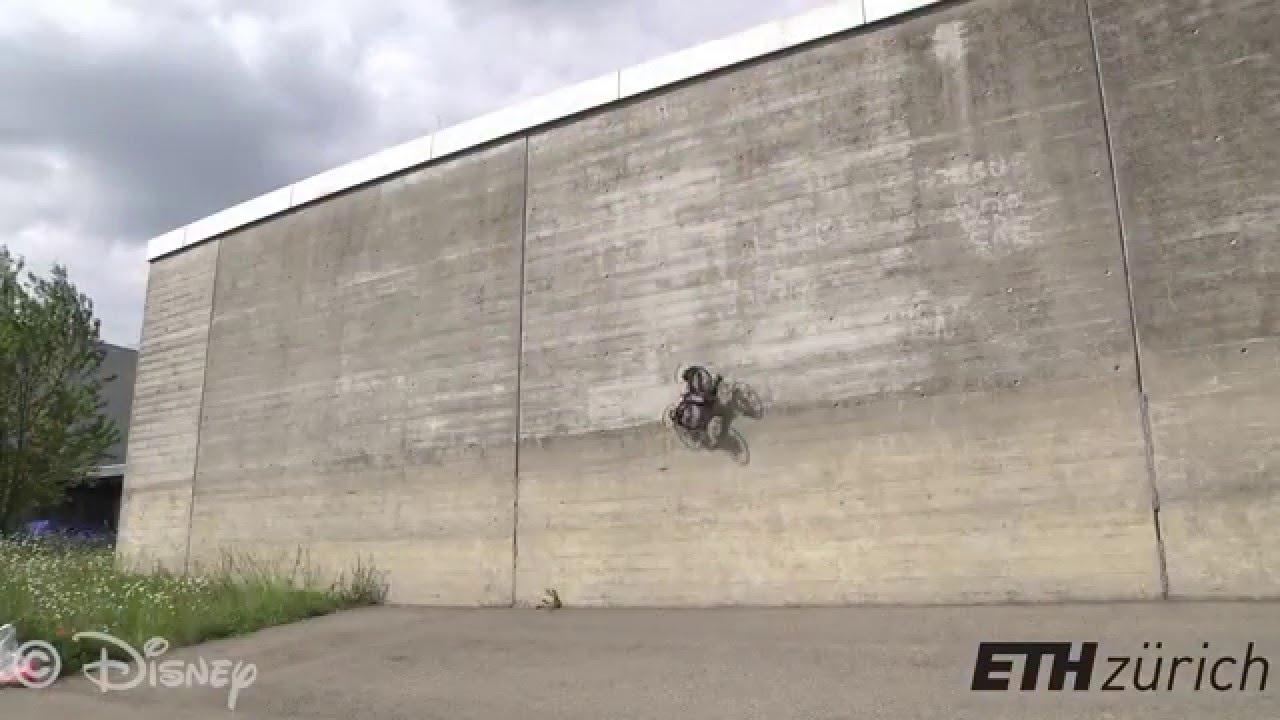
VertiGo: The Wall-Racing Robot (Full Video)
This wall-racing robot is able to drive on the floor as well as on walls and transition between the two automatically. It was created during a one year project at ETH Zürich as a collaboration with Disney Research Zürich by team VertiGo. For more information go to: http://www.vertigoproject.ch https://www.Facebook.com/VertiGorobot
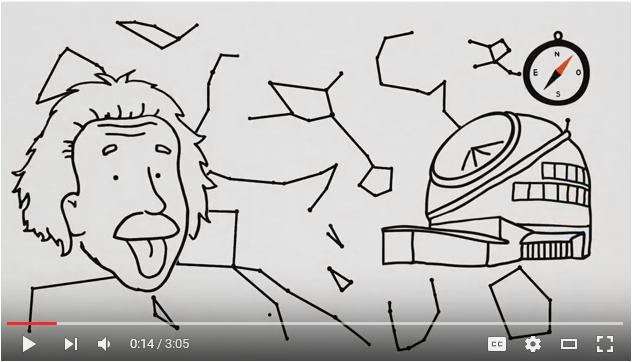
El Universo
El País y Materia te traen «Descubrir la ciencia», una innovadora colección de libros divulgativos en los que encontrarás una nueva forma de explicar la ciencia. Si quieres saber más visitahttp://elpais.com/promociones/descubr…
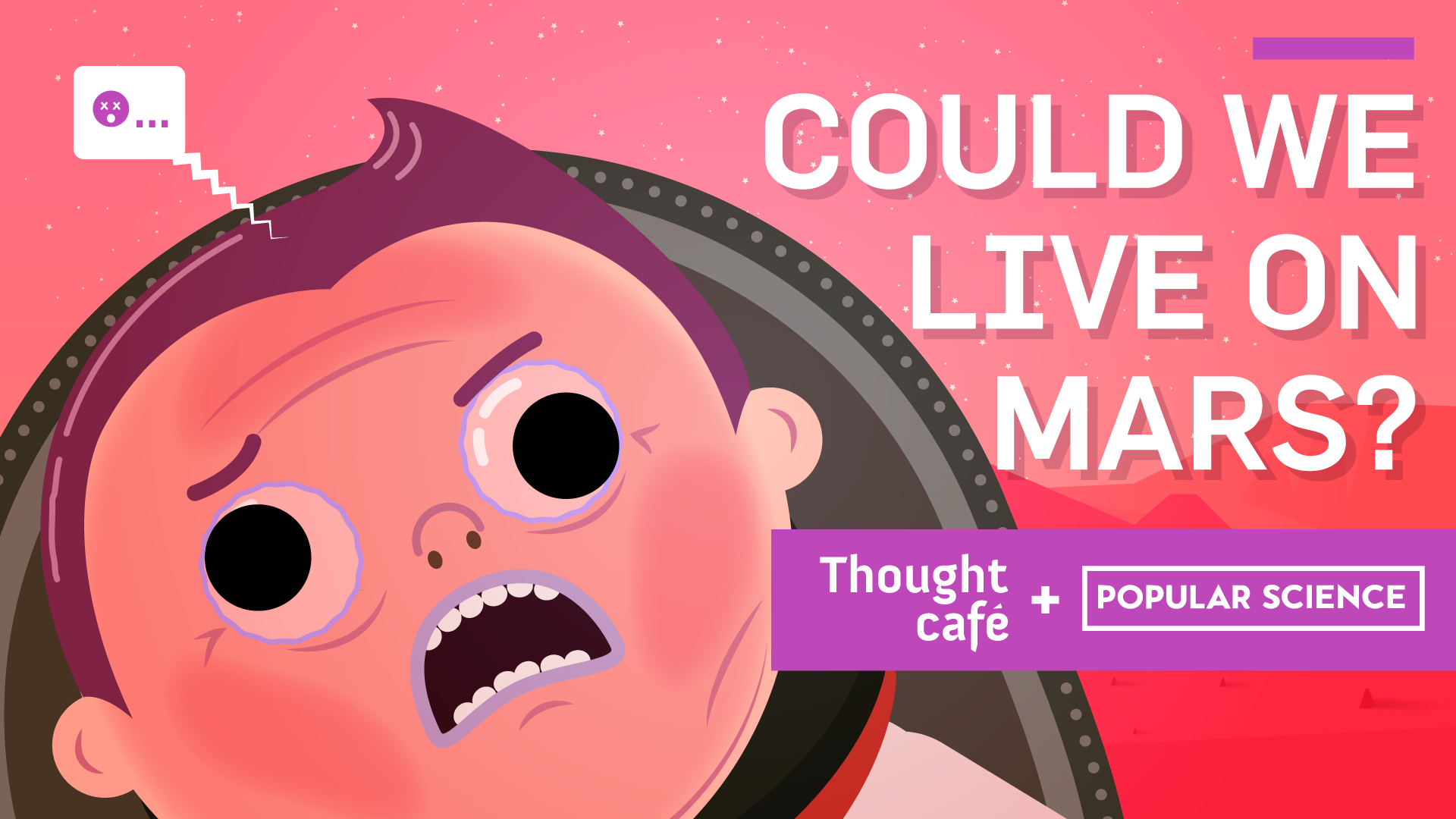
Could We Live On Mars?
Could We Live On Mars? por PopSci In this collaboration between animation studio Thought Cafe and Popular Science, we explain what humans colonists would need to do in order to survive and thrive on Mars.
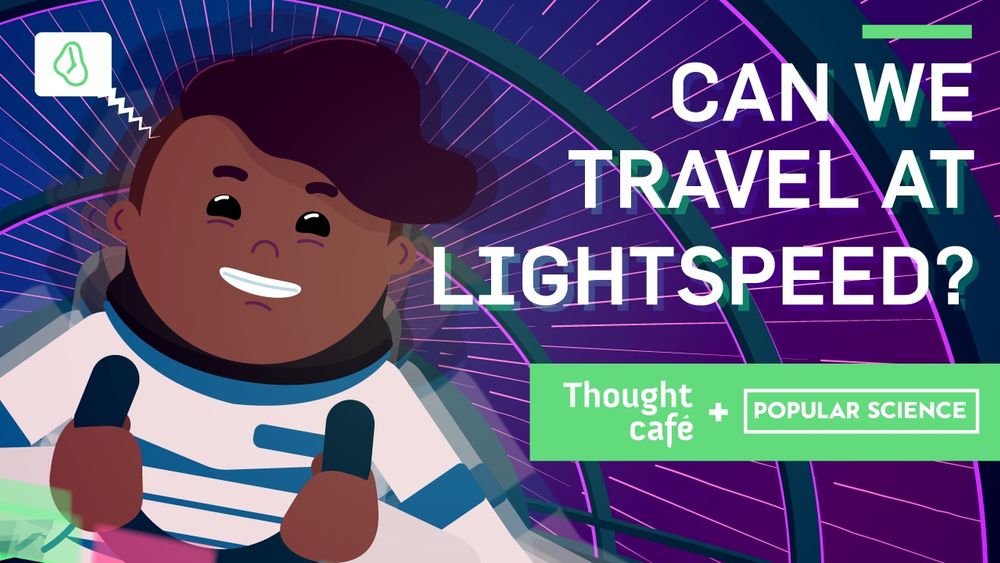
What happens when you travel at the speed of light?
Can We Travel At Light Speed? por PopSci Is interstellar travel possible? An animated video from Thought Café and *Popular Science* explores what happens when you travel at the speed of light.
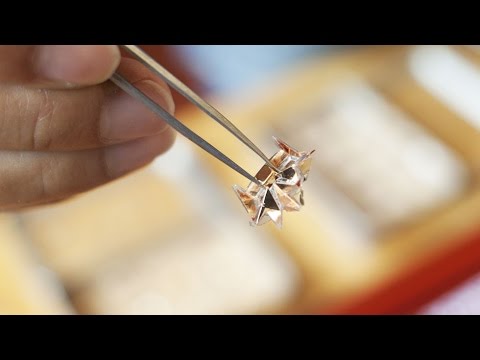
Robot Origami: Robot self-folds, walks, and completes tasks
A team of MIT researchers have developed a printable origami robot that folds itself up from a flat sheet of plastic when heated and measures about a centimeter from front to back. (Learn more:http://mitne.ws/1HwBZro)
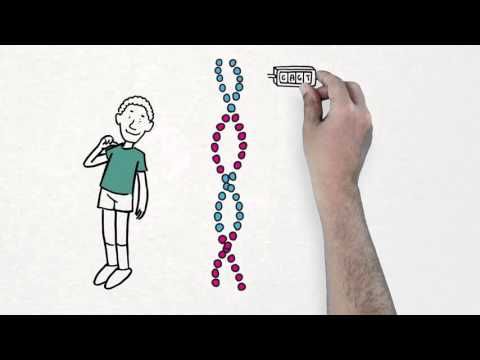
El genoma
El País y Materia te traen «Descubrir la ciencia», una innovadora colección de libros divulgativos en los que encontrarás una nueva forma de explicar la ciencia. Si quieres saber más visitahttp://elpais.com/promociones/descubr…
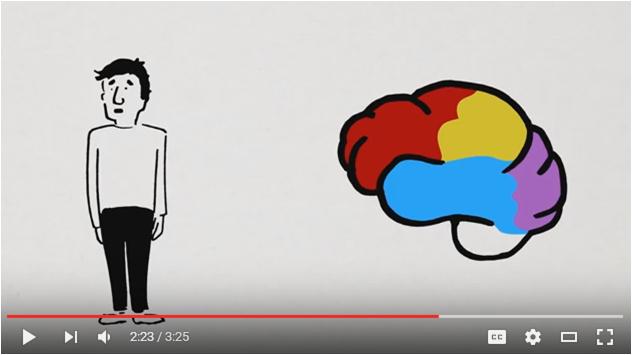
Cómo funciona el cerebro
El País y Materia te traen «Descubrir la ciencia», una innovadora colección de libros divulgativos en los que encontrarás una nueva forma de explicar la ciencia. Si quieres saber más visitahttp://elpais.com/promociones/descubr…

La relatividad
El País y Materia te traen «Descubrir la ciencia», una innovadora colección de libros divulgativos en los que encontrarás una nueva forma de explicar la ciencia. Si quieres saber más visitahttp://elpais.com/promociones/descubr…

The science of symmetry – Colm Kelleher
When you hear the word symmetry, you might think generally of triangles, butterflies, or even ballerinas. But defined scientifically, symmetry is «a transformation that leaves an object unchanged.» Huh? Colm Kelleher unpacks this abstract term and explains how animal’s distinct symmetries can tell us more about them — and ourselves.
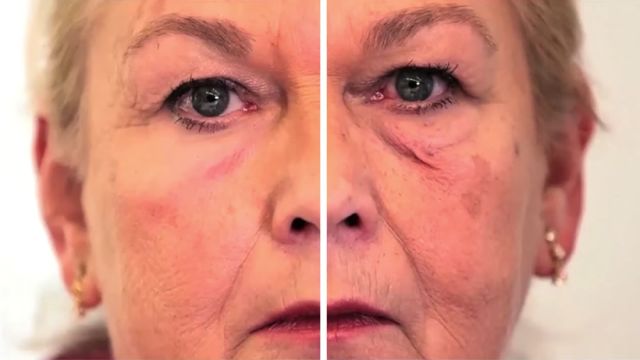
A second youthful skin using an elastic, wearable crosslinked polymer layer (XPL)
Scientists developed a new elastic, wearable crosslinked polymer layer (XPL) that can temporarily protect, tighten skin and smooth wrinkles. The silicone-based polymer can be applied on the skin as a thin, imperceptible coating, mimicing the mechanical and elastic properties of healthy, youthful skin. With further development, researchers hope, it could deliver drugs for treating skin […]