
Why do some people snore so loudly? – Alayna Vaughan
Dig into the science of what causes snoring, and how chronic snoring can be a sign of sleep disorders such as sleep apnea.

The myth of Loki’s monstrous children – Iseult Gillespie
Odin, the king of Asgard, was plagued by nightmares. Three fearsome figures haunted his dreams: a massive, writhing shadow; a shambling, rotting corpse; and worst of all, a monstrous beast with a deadly bite. Though their true forms were unknown to him, he could tell they were related to Asgard’s most persistent problem: Loki. Iseult […]
When Will COVID End?
Coming up on two years of the Coronavirus pandemic, how much longer will it last? Is it like the Spanish flu or will it never go away?

Cosmos – Carl Sagan – 4th Dimension
Cosmos – Carl Sagan – 4th Dimension Explanation
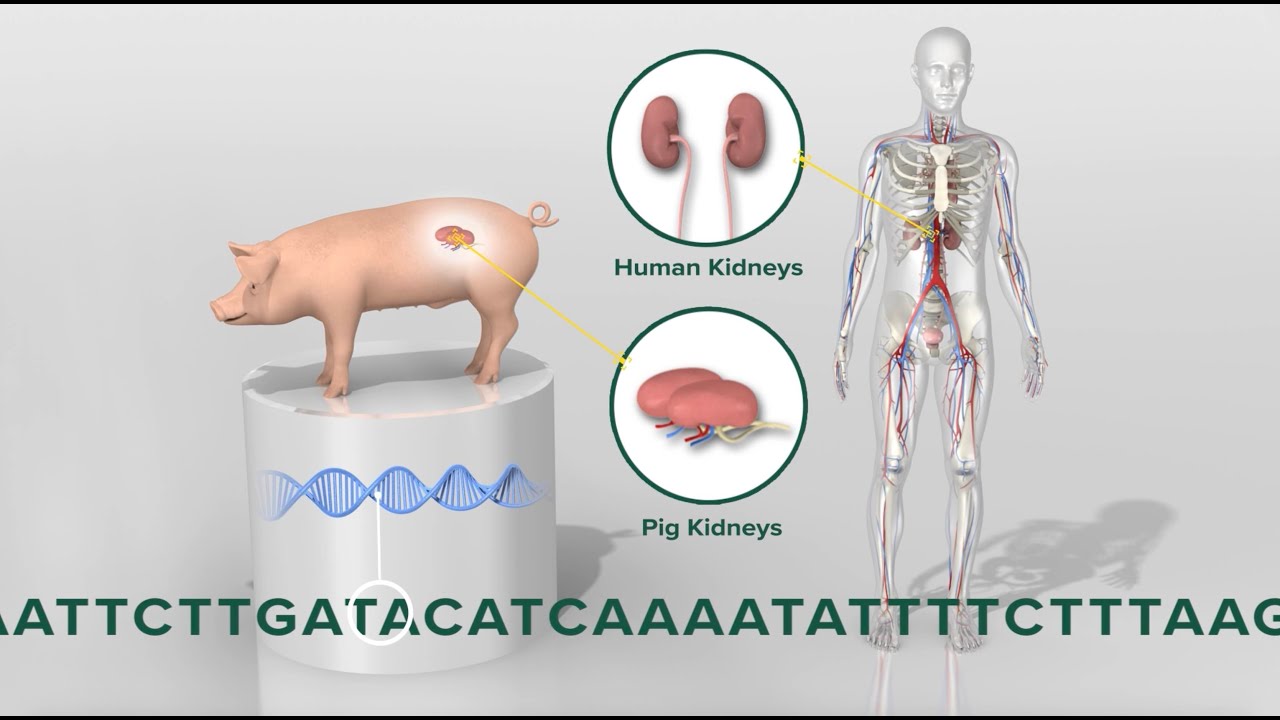
Pig-to-human kidney transplant 3D animation
The University of Alabama at Birmingham Marnix E. Heersink School of Medicine announces today the first peer-reviewed research outlining the successful transplant of genetically modified, clinical-grade pig kidneys into a brain-dead human individual, replacing the recipient’s native kidneys. These positive results demonstrate how xenotransplantation could address the worldwide organ shortage crisisSHOW LESS
Can science help poor kids earn more? | The Economist
The wide gap in development between rich and poor children could be closed with the help of neuroscience. Might a controversial focus on genetics also help? Film supported by @Mishcon de Reya LLP

The World Ahead 2022: five stories to watch out for | The Economist
What will be the biggest stories of 2022? As the pandemic continues to wreak havoc across the globe, President Xi will cement his power as leader of China, tech giants will coax more of us into virtual worlds and the space race reaches new heights. The Economist is back with its annual look at the […]
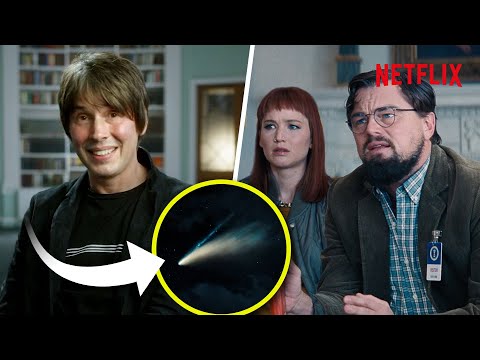
Brian Cox Breaks Down The Science Behind Don’t Look Up – SPOILERS! | Netflix
Physicist Professor Brian Cox breaks down what would ACTUALLY happen if a gigantic comet really was hurtling towards planet Earth. Don’t Look Up is now streaming on Netflix: head to count-us-in.com/dontlookup. Don’t Look Up has partnered with Count Us In to bring together the steps we can take towards a safer planet.
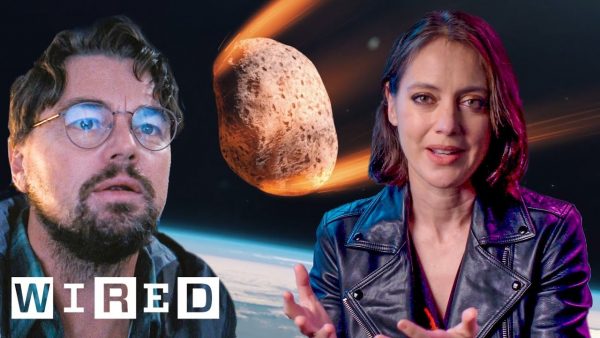
Astronomer Explains «Don’t Look Up» Comet Scenes | WIRED
It’s the end of the world in «Don’t Look Up,» and it’s all thanks to a comet heading straight towards Earth. Dr. Amy Mainzer, a science consultant on «Don’t Look Up,» breaks down a few scenes from the film and explores the science behind near-Earth objects.

Edward O. Wilson on the Evolution of Social Behaviors
Edward O. Wilson, professor emeritus at Harvard University, is the influential naturalist and evolutionary theorist who introduced the concept of “sociobiology,” as well as one of the world’s leading experts on ants. Here, he explains the relevance of evolved insect behaviors to human nature. Read the full interview at: https://www.quantamagazine.org/edward…
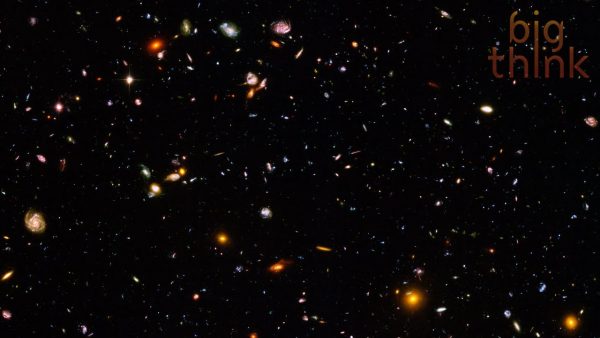
E.O. Wilson: Aliens Are Out There and They Probably Look Like This | Big Think
The Pulitzer-winning biologist draws from our own knowledge of evolution and Darwinian theory to posit the physical and mental characteristics of extraterrestrial life. Wilson’s new book is titled «The Meaning of Human Existence.»
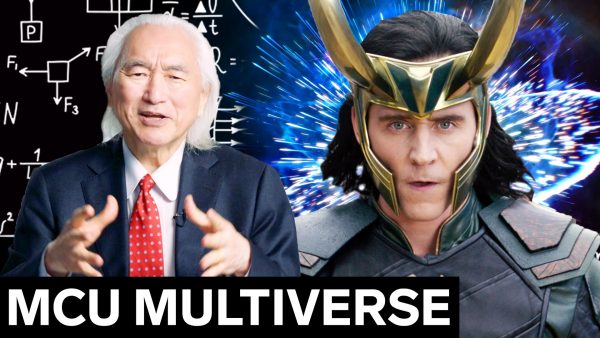
Theoretical Physicist Breaks Down the Marvel Multiverse (ft. Michio Kaku) | WIRED
In the Disney+ series, ‘Loki,’ the god of mischief is arrested for time crimes. This confirms there’s a multiverse in the Marvel Cinematic Universe. Are there real scientific theories behind this fictional multiverse? Professor Michio Kaku, a professor of theoretical physics, helps break down the MCU multiverse.
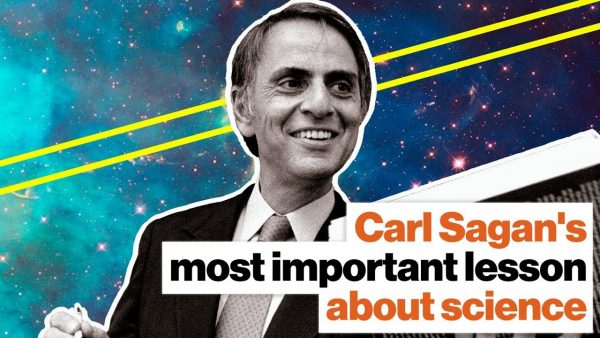
Carl Sagan’s most important lesson about science | NASA’s Michelle Thaller | Big Think
The thing that Carl Sagan did better than anybody else was connecting to the science through emotion and stories, says NASA’s Michelle Thaller. Watching him when growing up formed Thaller’s vision of what an astronomer could be and inspired her for the rest of her life.

Xenobots: Building the First-Ever Self-Replicating Living Robots
Scientists at UVM, Tufts, and Harvard discovered a new form of biological reproduction—and created self-replicating living robots. Made from frog cells, these computer-designed organisms gather single cells inside a Pac-Man-shaped “mouth”—and release Xenobot “babies” that look and move like themselves. Then the offspring go and do the same—over and over.