

Physicist Explains One Concept in 5 Levels of Difficulty | WIRED
Theoretical physicist Sean Carroll, PhD, is challenged to explain the concept of dimensions to 5 different people; a child, a teen, a college student, a grad student, and an expert. Vide levels, dimensions
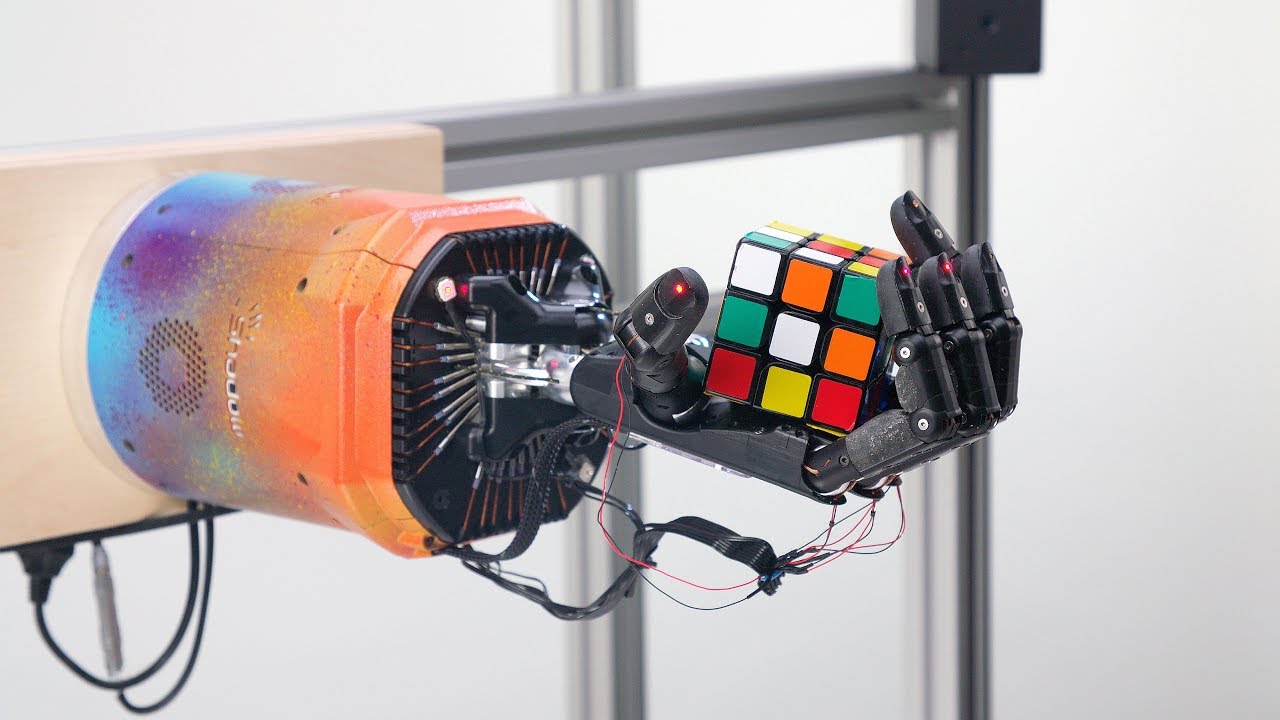
Solving Rubik’s Cube with a Robot Hand: Uncut
A full solve of the Rubik’s Cube. This video plays at real-time and was not edited in any way.

Loop Quantum Gravity Explained
The holy grail of physics is to connect our understanding of the tiny scales of atoms and subatomic particles with that of the vast scales of planets, galaxies, and the entire universe. To connect quantum physics with Einstein’s general theory of relativity. Our search for a theory of quantum gravity is a century old, and […]
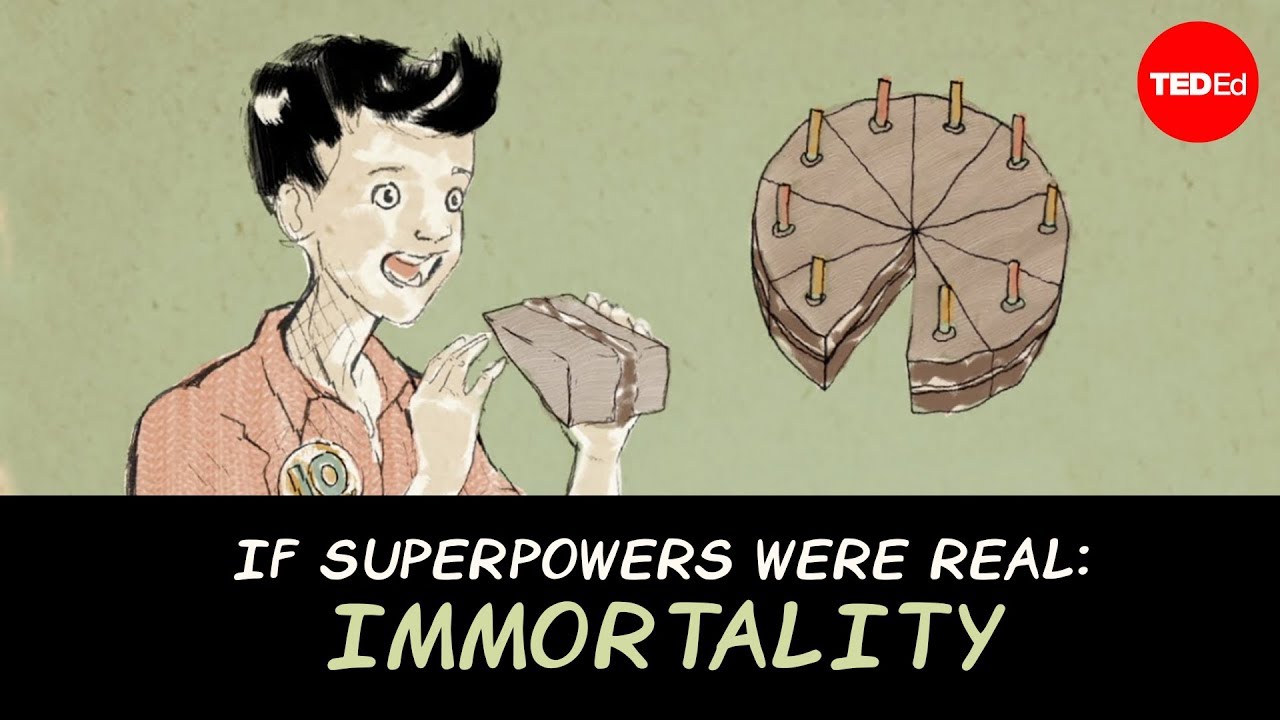
If superpowers were real: Immortality – Joy Lin
What if immortality wasn’t just the stuff of epic comic book stories? Is it scientifically possible to be immortal? In this series, Joy Lin tackles six superpowers and reveals just how scientifically realistic they can be to us mere mortals. Lesson by Joy Lin, animation by Cognitive Media.
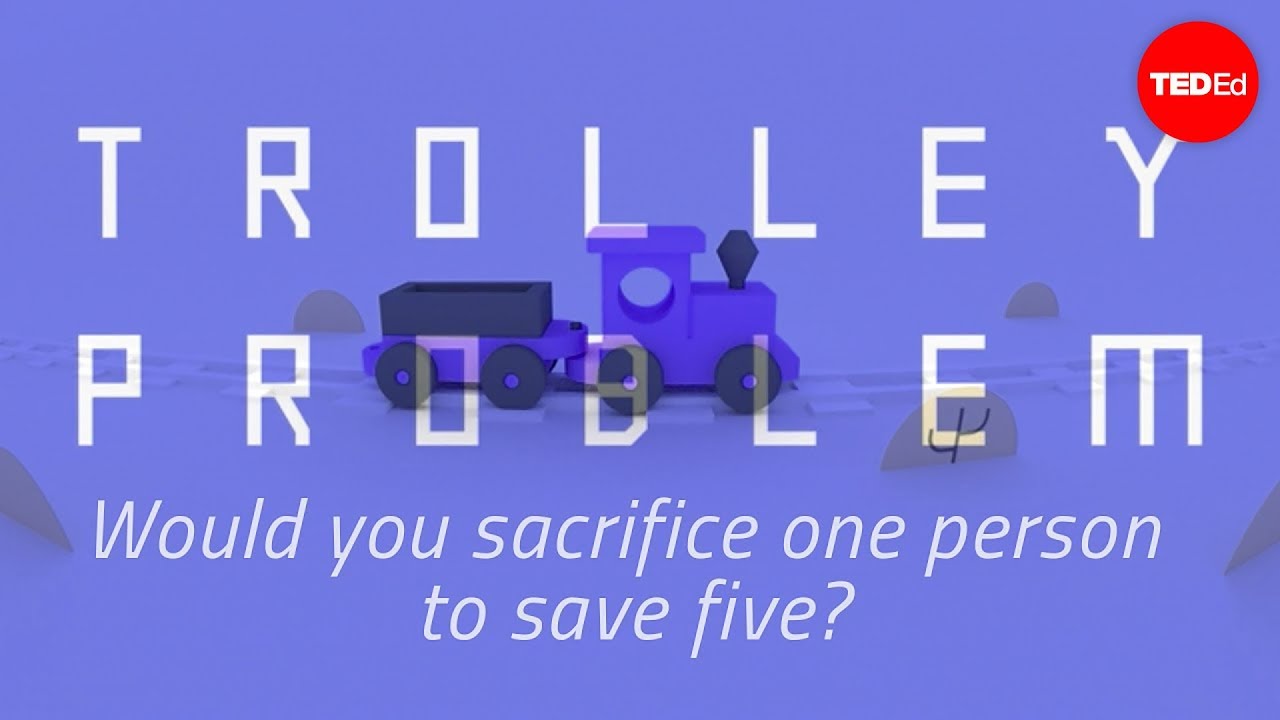
Would you sacrifice one person to save five? – Eleanor Nelsen
Imagine you’re watching a runaway trolley barreling down the tracks, straight towards five workers. You happen to be standing next to a switch that will divert the trolley onto a second track. Here’s the problem: that track has a worker on it, too — but just one. What do you do? Do you sacrifice one […]
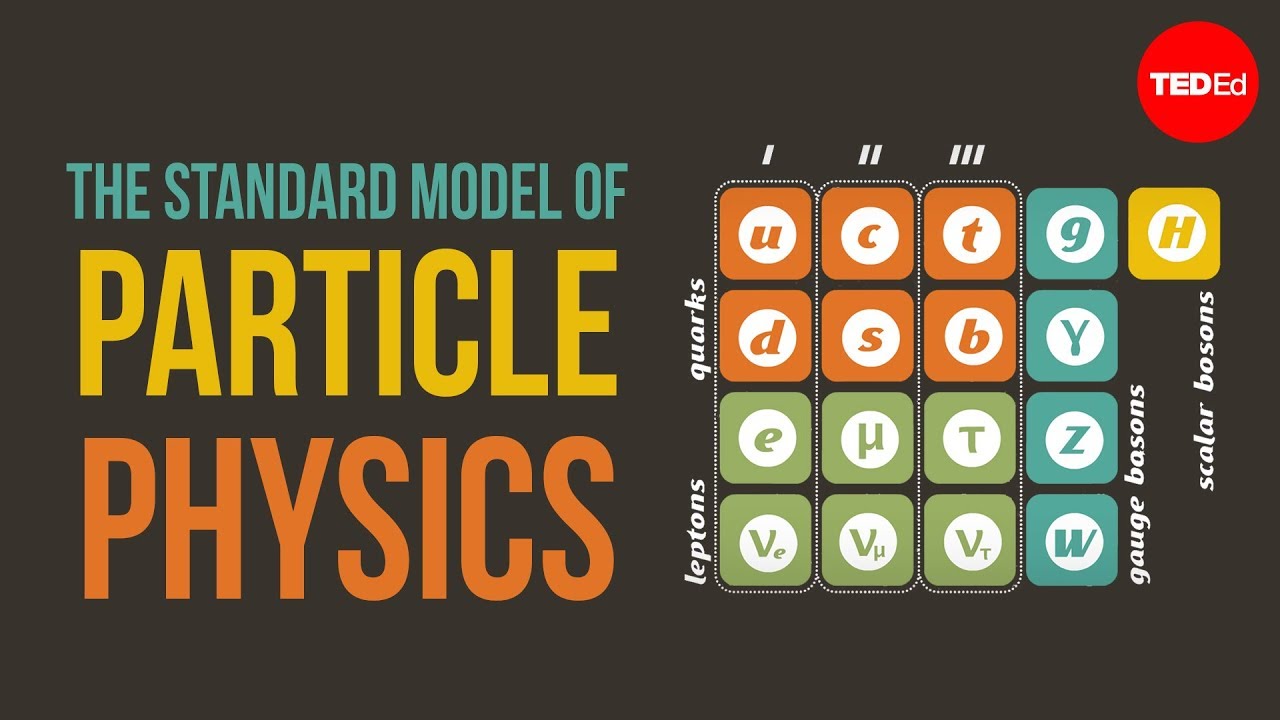
What’s the smallest thing in the universe? – Jonathan Butterworth
If you were to take a coffee cup, and break it in half, then in half again, and keep carrying on, where would you end up? Could you keep on going forever? Or would you eventually find a set of indivisible building blocks out of which everything is made? Jonathan Butterworth explains the Standard Model […]
Neil deGrasse Tyson Explains Wormholes and Black holes
Much of the film Interstellar is centered around the existence of a wormhole and black hole, which happen to be two of the most perplexing things in the universe. Astrophysicist and StarTalk Radio host Neil deGrasse Tyson explains how wormholes and black holes really work.
6 Theories of Time Travel
HELLO SPACE PEEPS!! Is time travel possible? And if so.. HOW CAN WE DO IT!? In this video I elaborate on the different theories out there about time travel and the possibilities of achieving it and the reasons we know no one has traveled back in time before… DUN DUN DUN! Would you every want […]

The basics of the Higgs boson – Dave Barney and Steve Goldfarb
In 2012, scientists at CERN discovered evidence of the Higgs boson. The what? The Higgs boson is one of two types of fundamental particles and is a particular game-changer in the field of particle physics, proving how particles gain mass. Using the Socratic method, CERN scientists Dave Barney and Steve Goldfarb explain the exciting implications […]
Are we living in a simulation? – Zohreh Davoudi
Is our reality a detailed computer simulation? And how can we know for sure? Explore the scientific and philosophical theories surrounding this debate.
The Universe As We Know It Shouldn’t Exist | The Matter-Antimatter Problem
The universe is a pretty grand place to live, but scientists have one issue with it, it’s an anomaly that should be scientifically impossible.
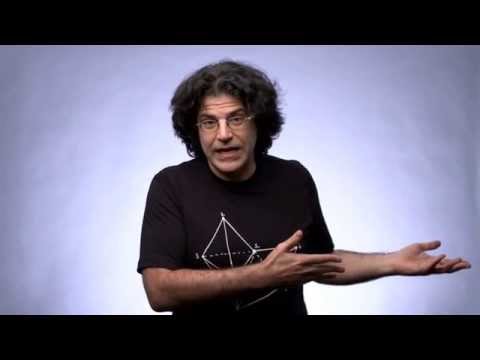
Where Did the Universe Come From?
Where did the universe come from? David Kaplan explores the leading cosmological explanation with the help of a baking metaphor.
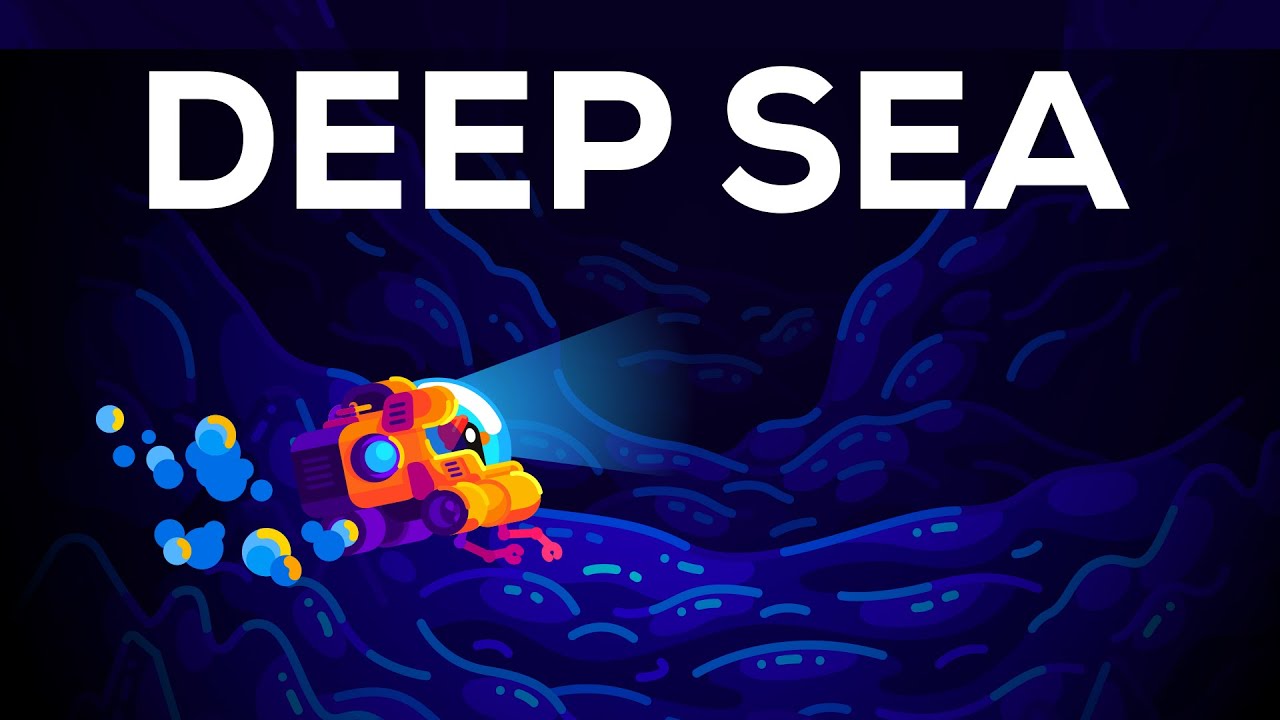
What’s Hiding at the Most Solitary Place on Earth? The Deep Sea
Sometimes the world feels boring. All the remote islands are visited, the arctic conquered, the dense jungles discovered. Except, there is still a place to explore: A wet deadly desert where mysterious creatures live in total darkness: The deep sea. Let us dive down.
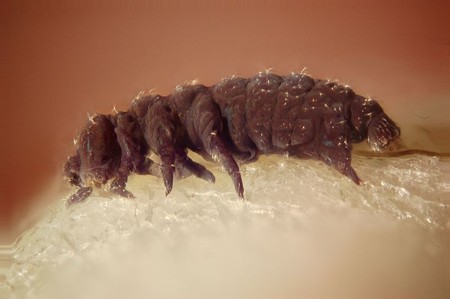
El ADN de los tardígrados es ‘inmune’ a la radiación y ahora sabemos por qué
Investigación y Desarrollo Suelo repetir a menudo que los tardígrados son “el grafeno de la microbiología”. Es una broma, claro; pero, efectivamente, sobre el papel son capaces de “resistir presiones de hasta 6.000 atmósferas, sobrevivir en el vacío del espacio y aguantar temperaturas de más de 150ºC”. “Serían los únicos supervivientes a una catástrofe astronómica” […]