
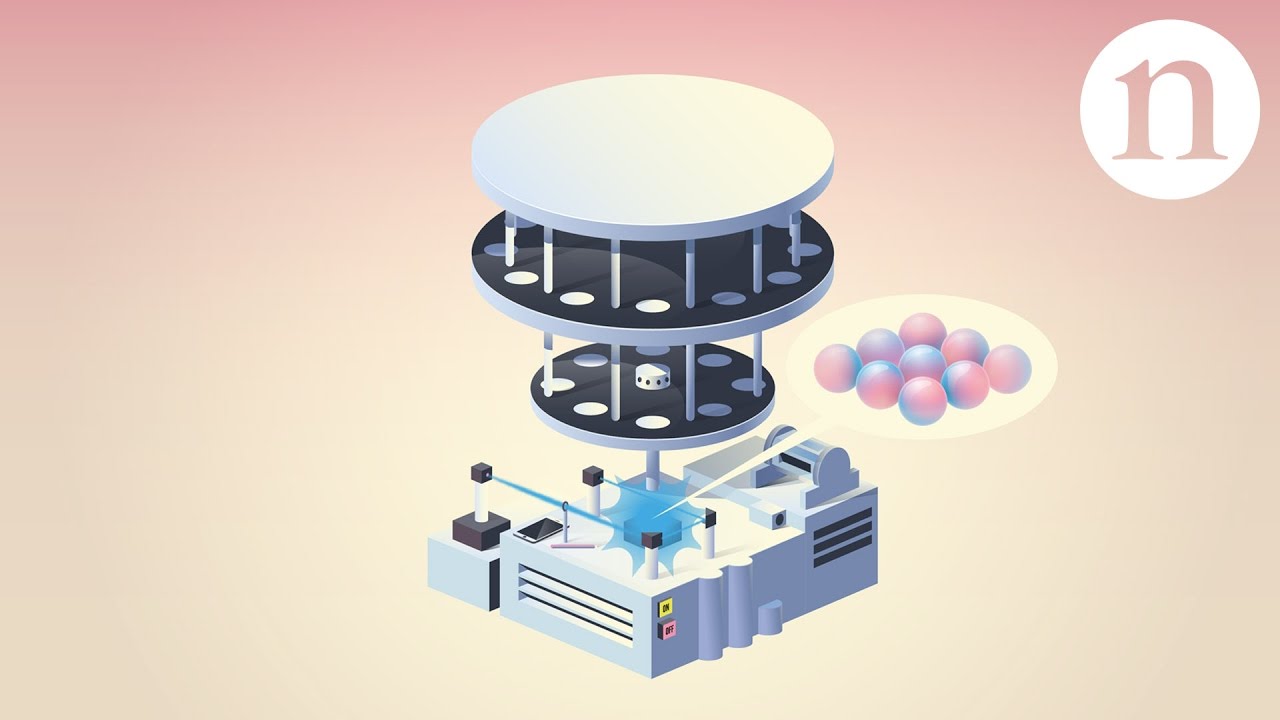
Quantum computers: Computing the impossible
Quantum computers could crack problems that are impossible for conventional computers. But first researchers have to build one that’s big enough to be useful. This animation looks at the challenges and rewards of creating a quantum computer.

‘Particle’ robots: The bio-inspired bots that move with no brain
Researchers have built a robot made up of individual ‘particles’ that moves with no centralised control. The bots rely on the same kind of statistical mechanics that allows groups of cells to move, creating some intriguing possibilities.
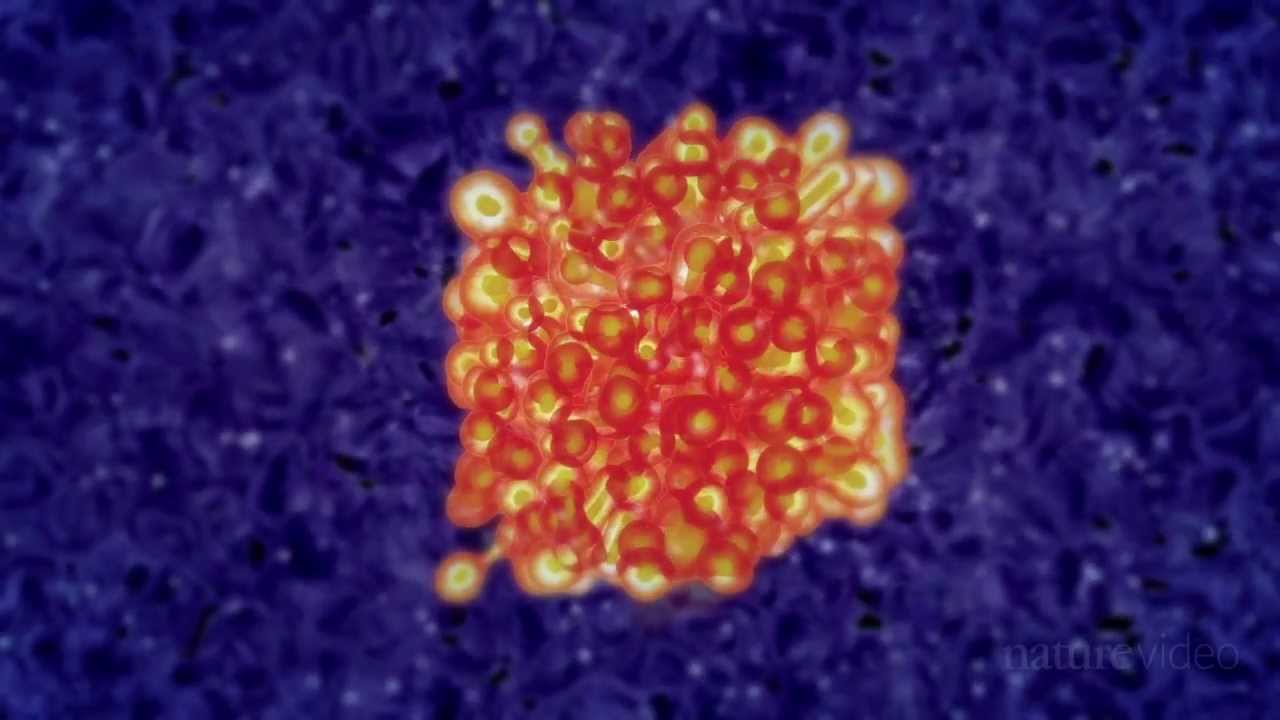
Immunotherapy: Boosting the immune system to fight cancer
The concept of ‘teaching’ the immune system to recognize and destroy cancer cells is over a century old, but the development of immunotherapeutic strategies for cancer was slow for many decades. However, much has been learned about the immune system in the meantime, and with the recent approval of two new immunotherapeutic anticancer drugs and […]
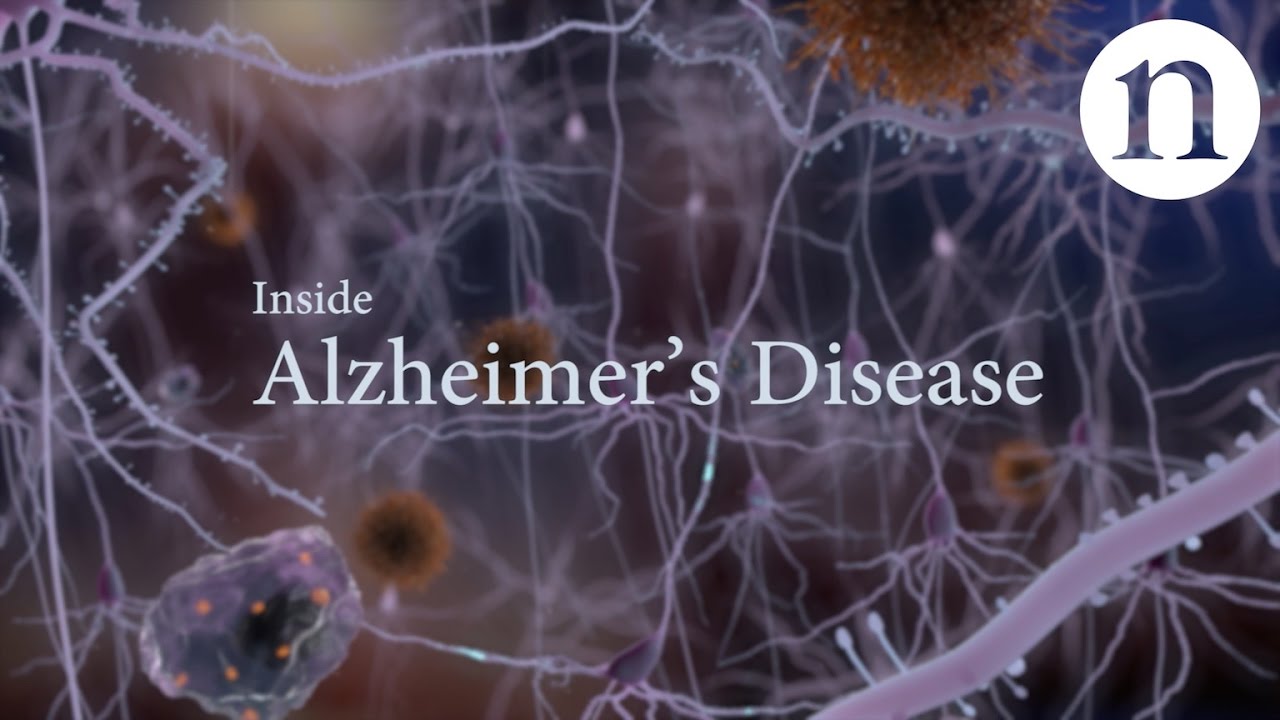
Inside Alzheimer’s disease
Our understanding of Alzheimer’s disease has come along way in the last century. In this animation, Nature Neuroscience takes us inside the brain to explore the cells, molecules and mechanisms involved in the onset and progression of this devastating condition – from the latest advances to the remaining gaps in our scientific knowledge.

The Science Of Motivation
What’s the best way to stay motivated?
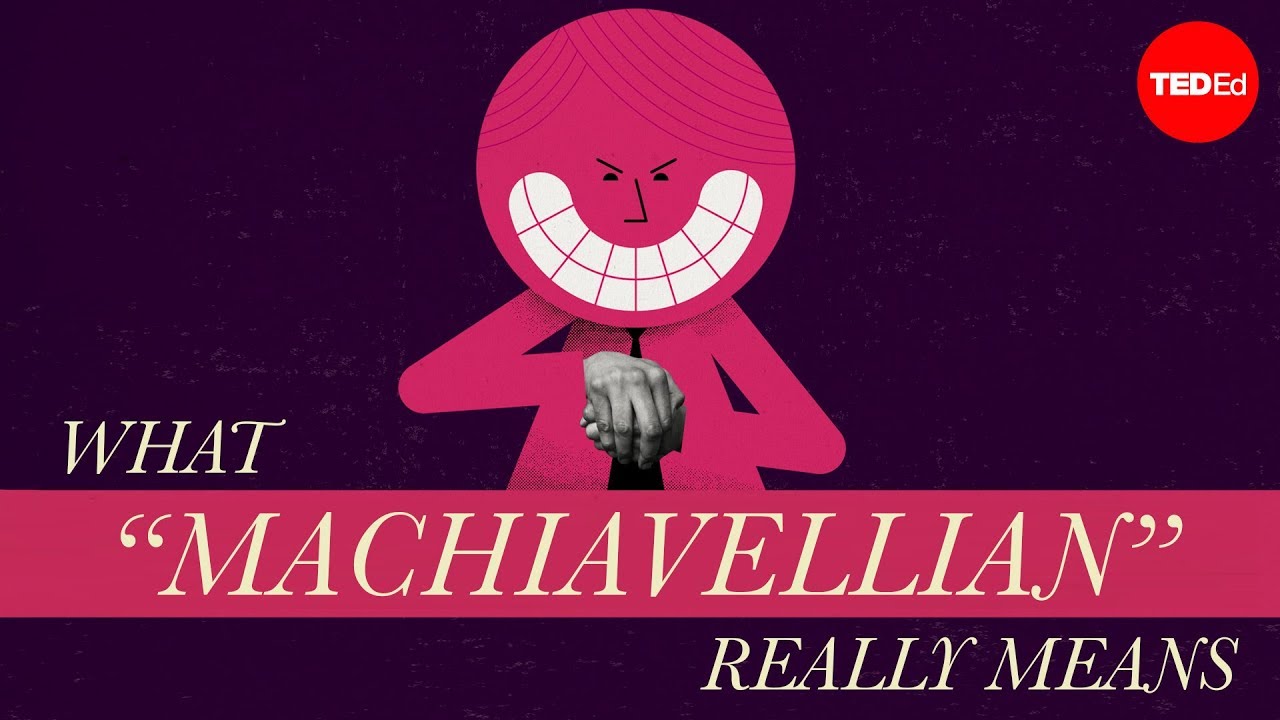
What “Machiavellian” really means – Pazit Cahlon and Alex Gendler
From Shakespeare’s plays to modern TV dramas, the unscrupulous schemer for whom the ends always justify the means has become a familiar character type we love to hate. For centuries, we’ve had a single word to describe such characters: Machiavellian. But is it possible that we’ve been using that word wrong this whole time? Pazit […]
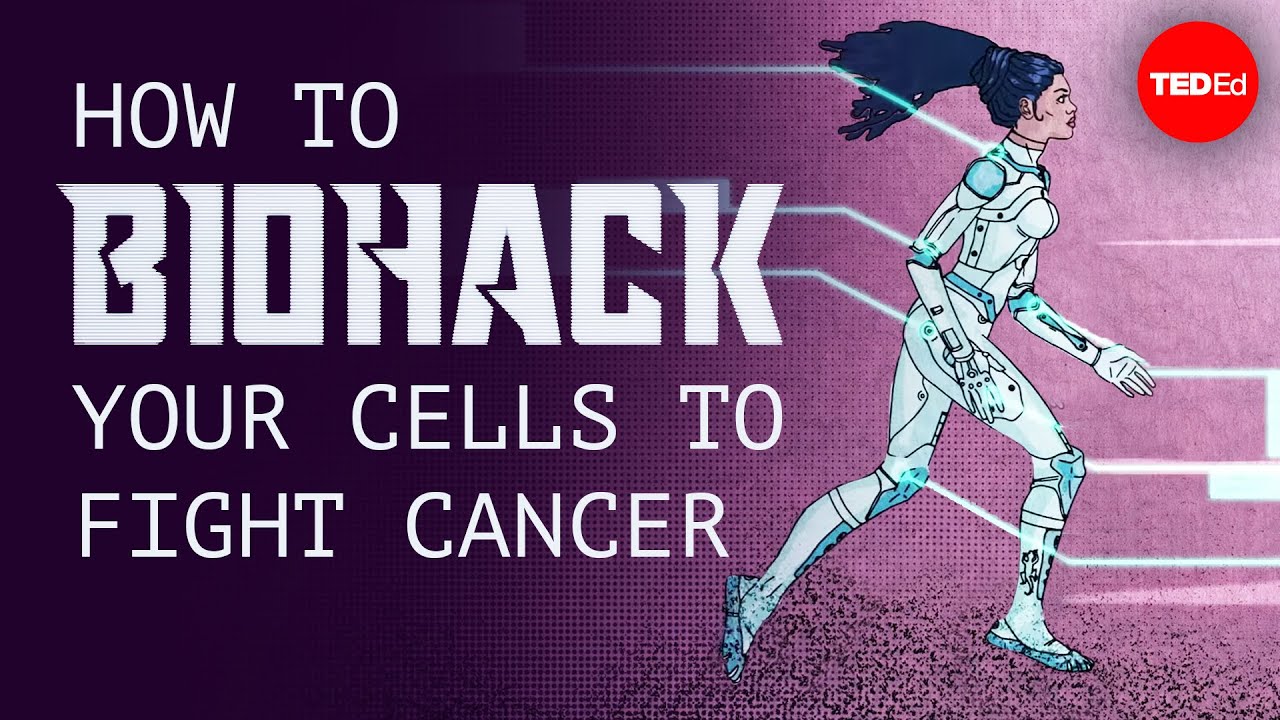
How to biohack your cells to fight cancer – Greg Foot
The human body is made up of about 30 trillion cells that carry a code which has been duplicated over and over for billions of years – with varying degrees of accuracy. So what happens when the system breaks down and the machinery turns on itself, leading to cancer? Greg Foot dives into the science […]

New human species found in the Philippines
Scientists have found a few bones and seven teeth belonging to a previously unknown species of human. They’ve named the new species Homo luzonensis, after the island of Luzon in the Philippines where it was found. The bones are tiny, suggesting that Homo luzonensis was under 4 feet tall. That would make it the second […]
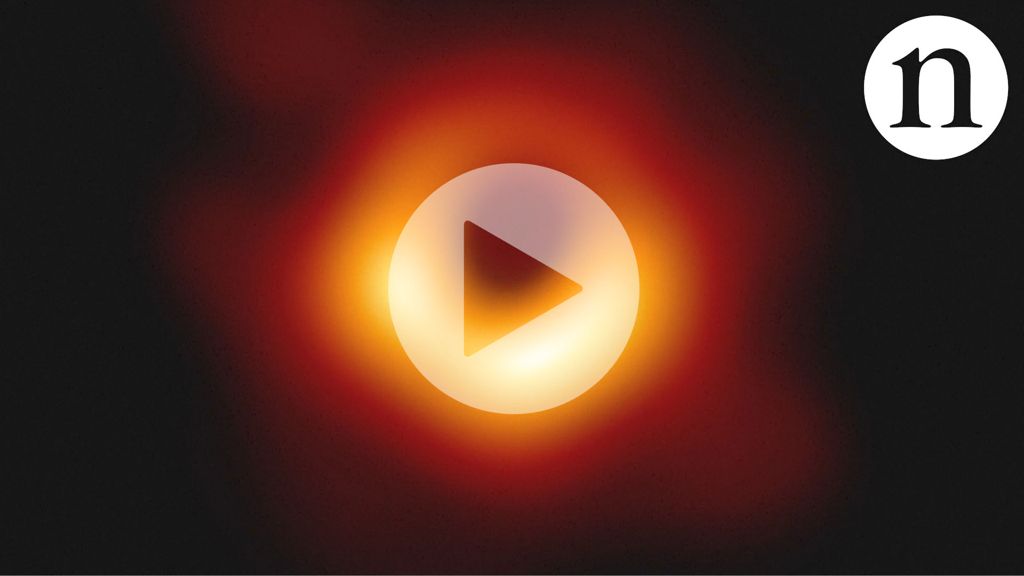
The first image of a black hole: A three minute guide
Astronomers from the Event Horizon Telescope Collaboration have taken the first ever image of a black hole – at the heart of the galaxy M87.
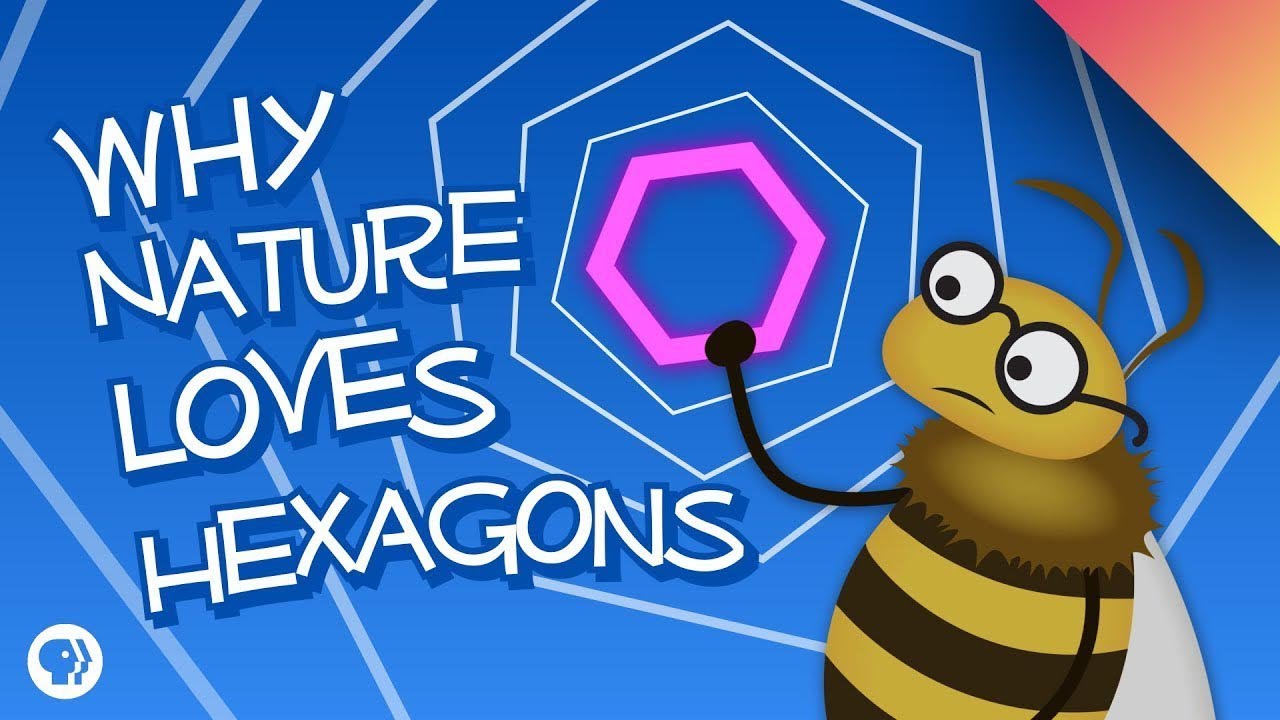
Why Nature Loves Hexagons (featuring Infinite Series!)
From spirals to spots to fractals, nature is full of interesting patterns. Many of these patterns even resemble geometric shapes. One of the most common? Hexagons. Why do we see this six-sided shape occur so many times in nature? This week we explore why hexagons are so common in the natural world, from honeycomb to […]
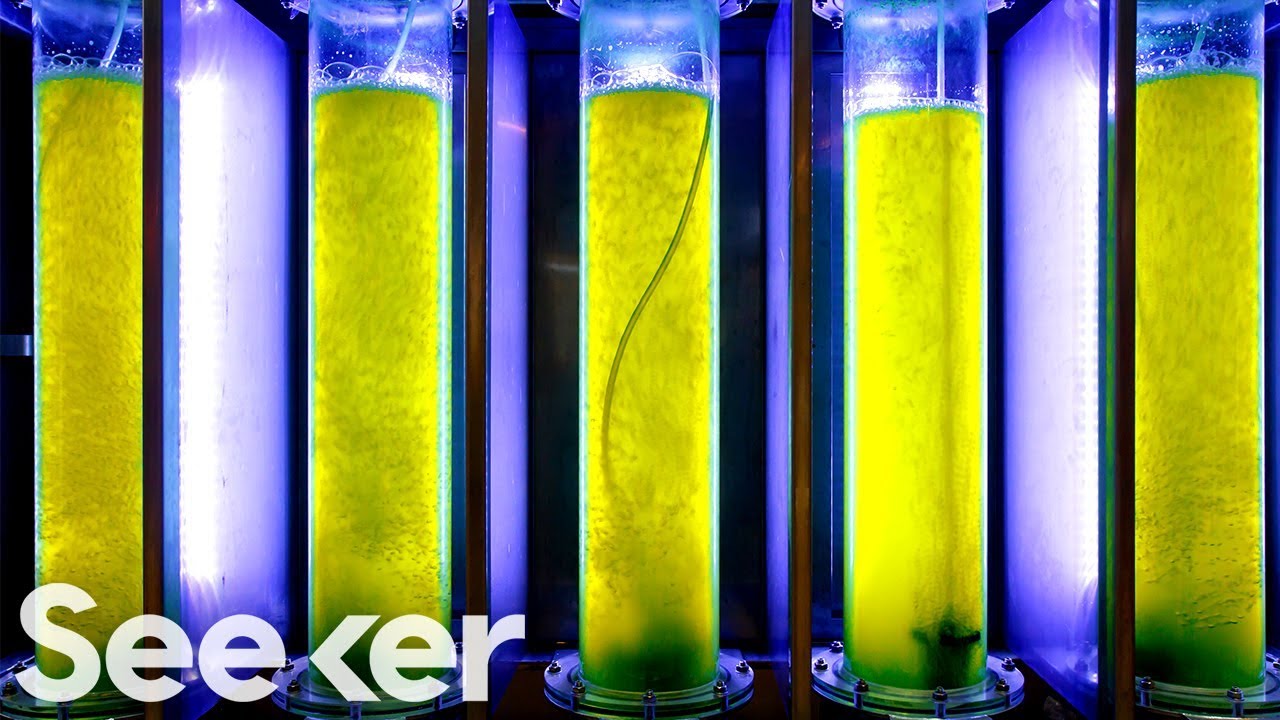
Why Don’t We Have Functional Biofuel Yet?
Alternative fuels, like ethanol and algae, have been around for years, yet there have been obstacles hindering these biofuels’ take over the market. Here’s why.
MONSTERS OF THE COSMOS – Symphony of Science
Symphony of Science returns! Morgan Freeman and a choir of scientists sing to you about the science and freakiness of black holes. Video sources: NOVA – Mystery of the Milky Way Through The Wormhole: The Riddle of Black Holes Who’s Afraid of a Big Black Hole (BBC) Swallowed by a Black Hole (BBC) Music and […]
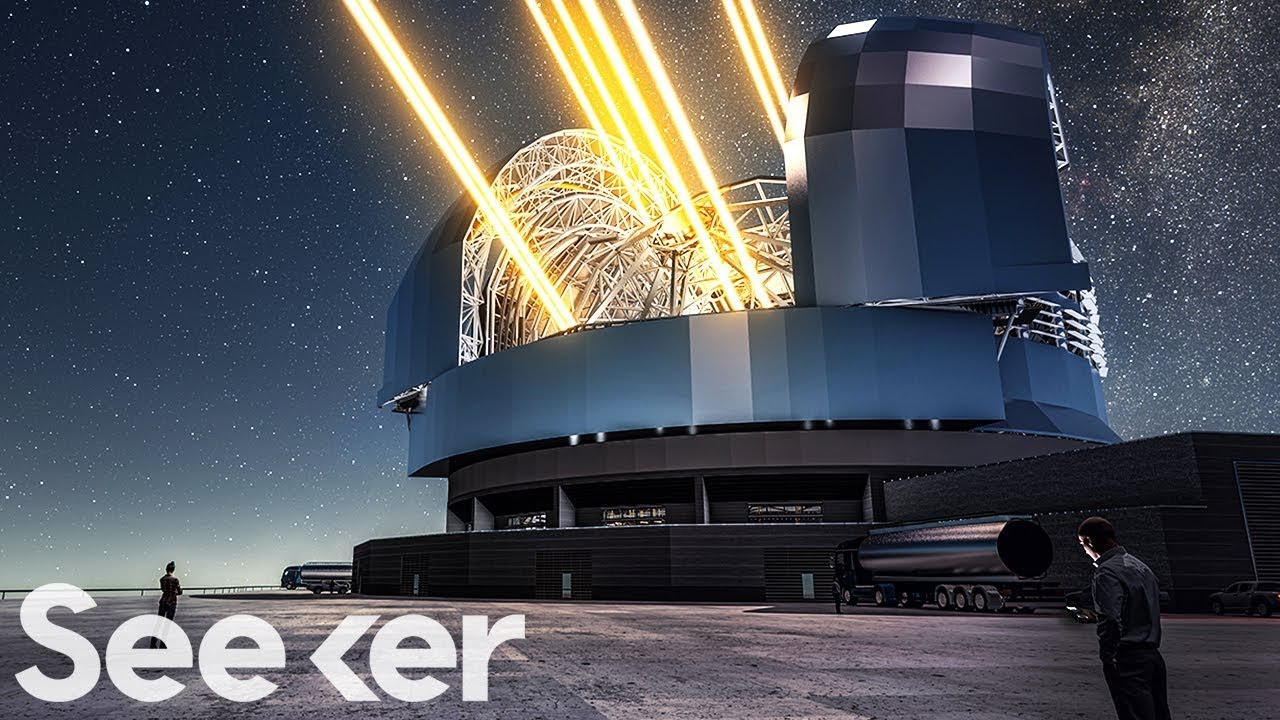
Inside the Race to See the Edge of the Universe
We’re in the middle of a billion dollar telescope building boom, with new ground based observatories racing to see first light in the 2020s.
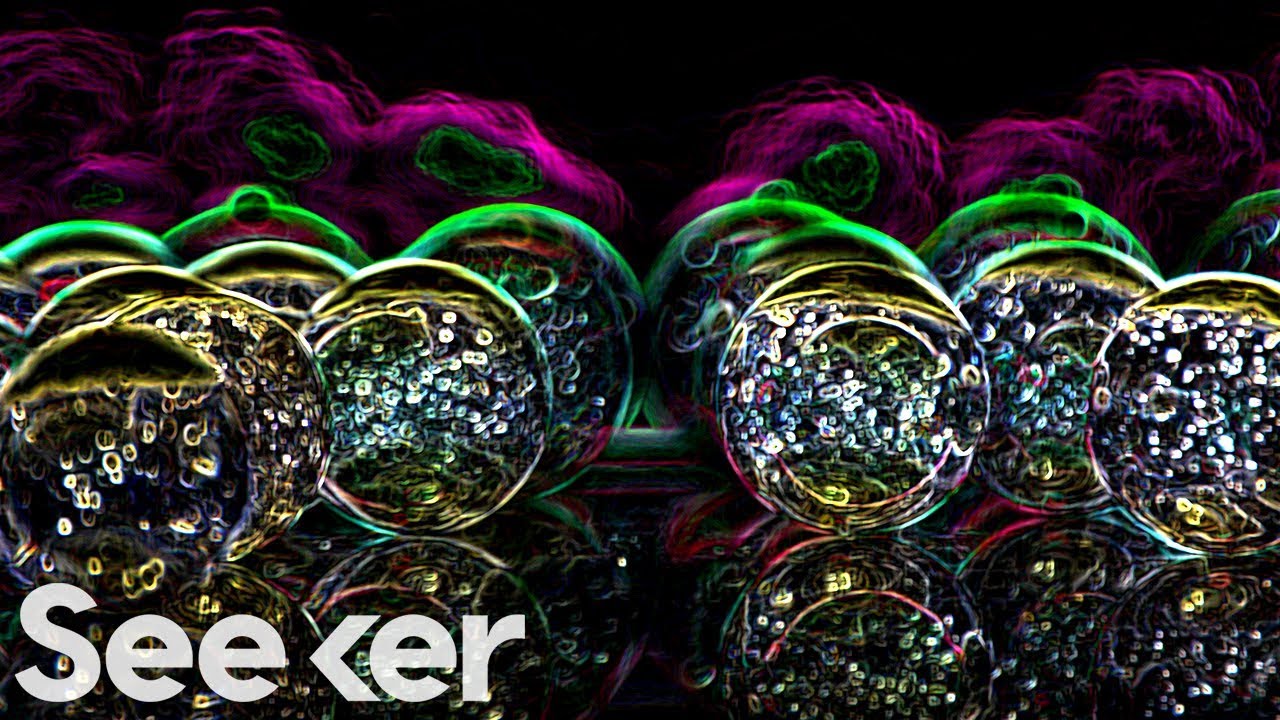
How Ferroelectricity Could Change the Way We Store Data
This hidden ferroelectric “particle” has evaded scientists for years, until recent studies have now discovered it and hacking into their potential.