Robotic bed makes itself

Many consider one of the keys to success to be making your bed every morning, preferably the second you get out of it. Most of us don’t, so maybe we could benefit from a robotic bed that will make itself. The Ohea smart bed senses when its empty, and will automatically fix its sheets, duvet […]

Fighting fatty livers

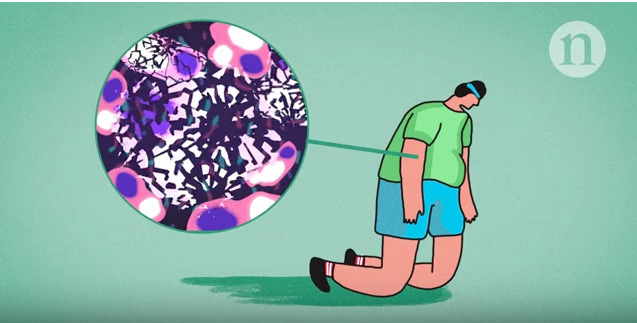
Most of us know the liver as the organ that breaks down alcohol, but it’s actually non-alcoholic fatty liver disease (NAFLD) that has doctors and scientists worried: 1 in 4 people are now affected by this fatty-liver condition. Fatty livers are reversible with changes to diet and exercise. But without intervention, the condition may worsen, […]

Following Carbon Dioxide Through the Atmosphere

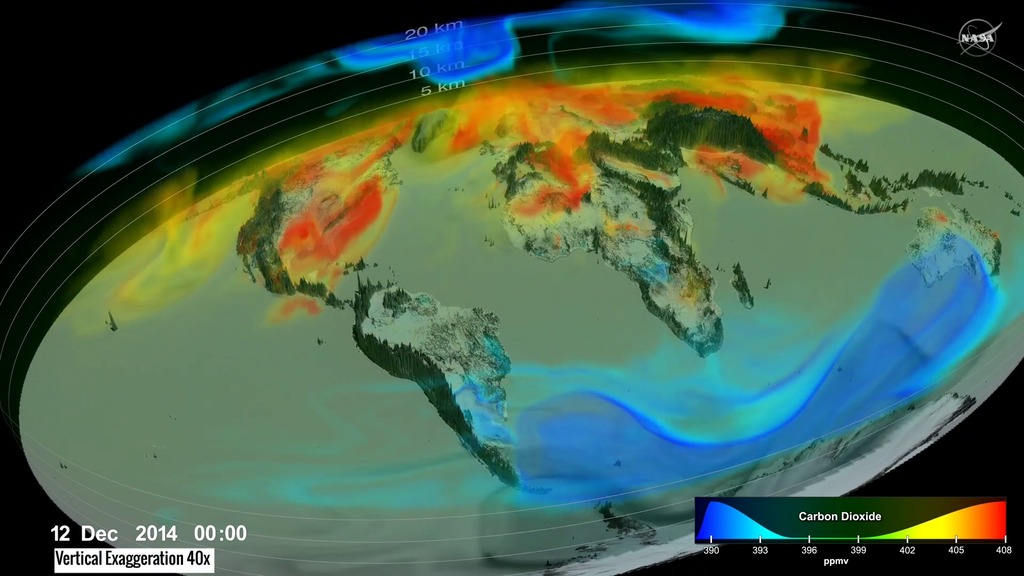
Carbon dioxide plays a significant role in trapping heat in Earth’s atmosphere. The gas is released from human activities like burning fossil fuels, and the concentration of carbon dioxide moves and changes through the seasons. Using observations from NASA’s Orbiting Carbon Observatory (OCO-2) satellite, scientists developed a model of the behavior of carbon in the […]

Premio al mérito académico

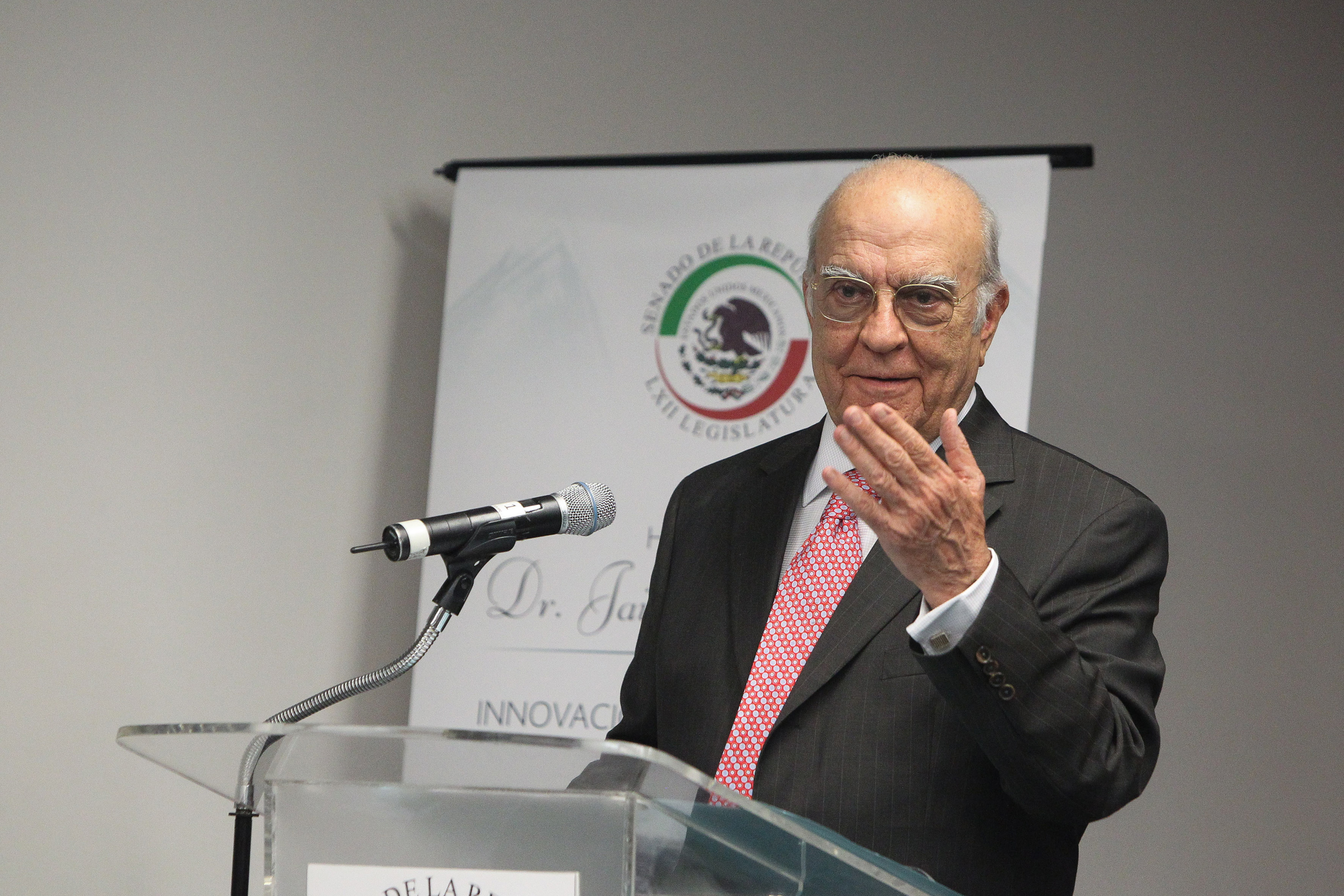
Lo recibirá el Dr. Jaime de la Garza Juan Roberto Zavala Con mucho gusto los nuevoleoneses y particularmente la comunidad científica de la entidad, recibimos la noticia de que durante la X Jornadas de Médicos Residentes  de los Institutos Nacionales de Salud y Hospitales de Altas Especialidades, que tendrá verificativo en el INCAN los días […]

¿Por qué nos odiamos?

Laura Chaparro “Por supuesto que los odiábamos. El plan para matarlos estaba dispuesto y terminado. El odio estaba profundamente arraigado, de modo que cualquiera que veía a un tutsi lo mataba”. Lauren Renzaho tenía cincuenta años cuando en 1994 participó en el genocidio de Ruanda y no dudó en contarle al fotoperiodista Nick Danziger, del programa BBC Panorama, […]

Why is it so hard to cure cancer? – Kyuson Yun

Check out Siddhartha Mukherjee’s «The Emperor of All Maladies»: https://shop.ed.ted.com/collections/t… View full lesson: https://ed.ted.com/lessons/why-is-it-… We’ve harnessed electricity, sequenced the human genome, and eradicated smallpox. But after billions of dollars in research, we haven’t found a solution for a disease that affects more than 14 million people and their families at any given time. Why is […]

Back To Top