By Peter Hotez
Tomado de los blogs de Plos

Image Credit: Zeetz Jones, Flickr
Peter Hotez and colleagues from Baylor College of Medicine highlight the mystery of Mesoamerican nephropathy which is killing young men in Central America.
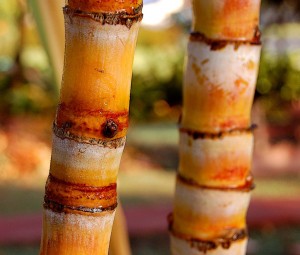
Over the last decade drug trafficking and violence have taken the lives ofthousands of people, most of them young men, in Guatemala, Honduras, and elsewhere in Central America. Far less known is Central America’s hidden killer disease that has recently been namedMesoamerican nephropathy. Mesoamerican nephropathy appears to be an emerging form of chronic kidney disease of unknown etiology that disproportionately strikes young male agricultural workers primarily in the Pacific coastal regions of El Salvador and Nicaragua, but also in Guatemala and Costa Rica. According to Correa-Rotter et al the syndrome was first described in 2002 as a form of advanced chronic kidney disease at the Rosales Hospital, a referral hospital in the capital of El Salvador, which developed without the usual chronic risk factors such as diabetes and hypertension. Among its most common features, Mesoamerican nephropathy typically presents as a progressive tubulointerstitial form of renal disease and failure with no or low grade proteinuria. The histopathology findings from renal biopsies are unique and different from other causes of renal disease. It most commonly affects young men working in sugarcane plantations along the lowland Pacific Coast ofCentral America. Because this part of Central America is a resource poor area, those affected often die prematurely due to inadequate access to renal dialysis.
Some investigators believe that Mesoamerican nephropathy is now the leading killer of young male sugarcane workers in Nicaragua and possibly El Salvador.
A number of theories have been advanced to explain the etiology of Mesoamerican nephropathy. They include environmental exposures to various agrochemicals, heavy metals, and mycotoxins, as well as recurrent dehydration in the setting of Central America’s hot coastal climate. We are proponents of exploring potential infectious causes, especially zoonotic neglected tropical diseases from rodents that notoriously infest sugar cane plantations. Lead candidate infections might include leptospirosis, hantavirus, and Mansonellafilarial infections, which are well known in Central and South America. Still another possibility is West Nile virus infection shown recently by one of us (KOM) and her colleagues to produce a chronic and progressive renal disease leading to kidney failure. WNV infection may now represent a leading cause of renal disease in Texas, and it is conceivable that this mosquito-transmitted disease may have emerged on Central America’s Pacific Coast.
There is a lot of work to be done. A recently published research workshop highlighted next steps required to investigate this deadly outbreak. Our understanding is that the Pan American Health Organization – the World Health Organization regional office in the Americas – is now actively working with the US Centers for Disease Control and Prevention (CDC) together with health ministries in the disease affected countries to identify cases, establish case definitions, and conduct case-controlled studies. There are also efforts to send blood and other tissue samples to reference laboratories. But such efforts appear to be inadequately resourced given the alarming death rates and morbidities among some of Central America’s most productive young people. Thus there is an urgent need to mobilize financial and other resources to urgently address this deadly and frightening new illness.
Peter J Hotez, Kristy O Murray, Rojelio Mejia, Laila Woc-Colburn & Maria Elena Bottazzi
The authors are professors in the Departments of Pediatrics and Medicine, National School of Tropical Medicine at Texas Children’s Hospital and Baylor College of Medicine, Houston, Texas, United States of America.
PJH is the Editor-in-Chief of PLOS Neglected Tropical Diseases
About Peter Hotez
Peter Hotez, Co-Editor in Chief of PLOS Neglected Tropical Diseases, Dean, National School of Tropical Medicine at Baylor College of Medicine, President, Sabin Vaccine Institute and Texas Children’s Hospital Center for Vaccine Development, and Fellow in Disease and Poverty, James A. Baker III Institute for Public Policy at Rice University, Houston, Texas, United States of America. He is the author of Forgotten People, Forgotten Diseases (ASM Press), Second Edition. Follow Prof. Hotez on Twitter @PeterHotez